

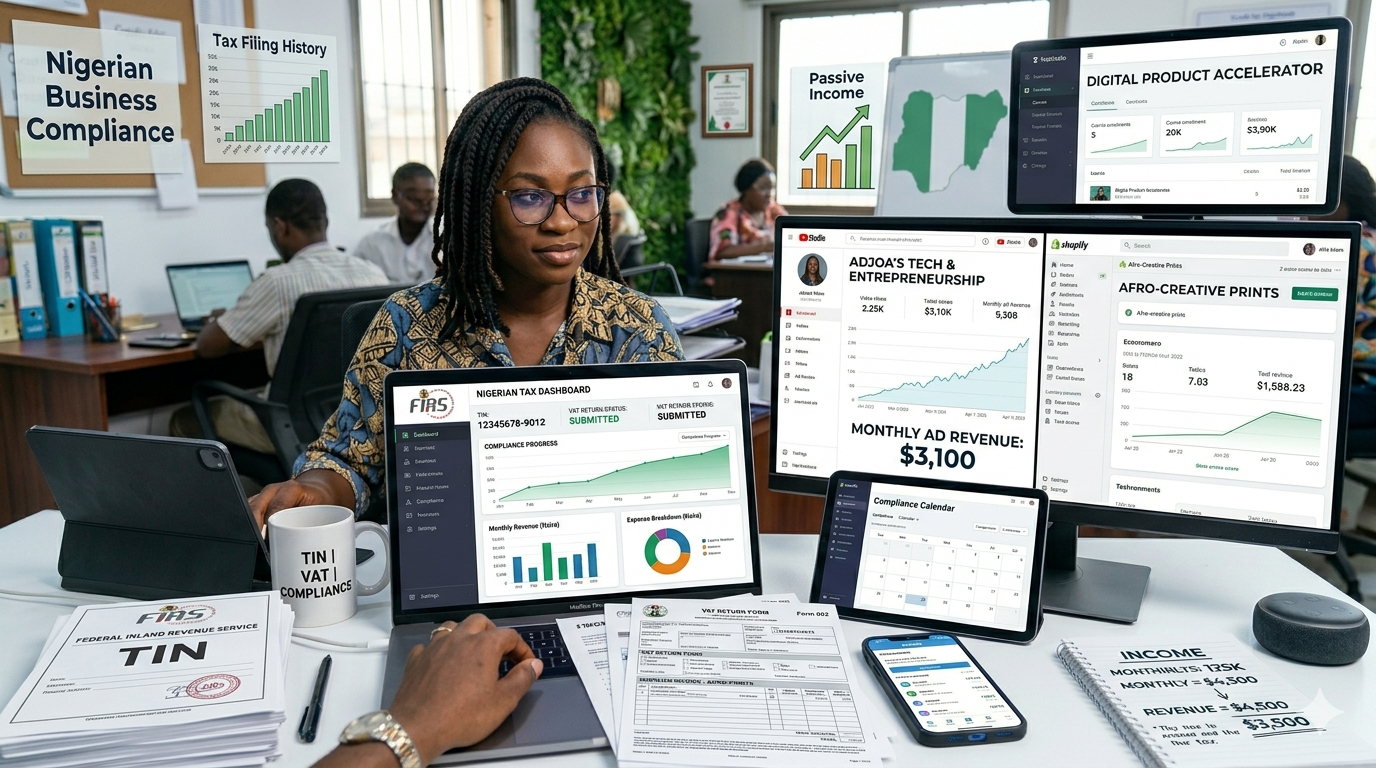
Understanding FIRS Tax Rules in Nigeria Small Business Operations
The Federal Inland Revenue Service (FIRS) is the Nigerian government agency responsible for collecting federal taxes.
FIRS oversees several tax categories that affect businesses across Nigeria, including:
- Company Income Tax (CIT)
- Value Added Tax (VAT)
- Withholding Tax (WHT)
- Stamp Duties
- Education Tax for qualifying businesses
Official tax updates, filing procedures, and compliance information are available through the Federal Inland Revenue Service (FIRS) website.
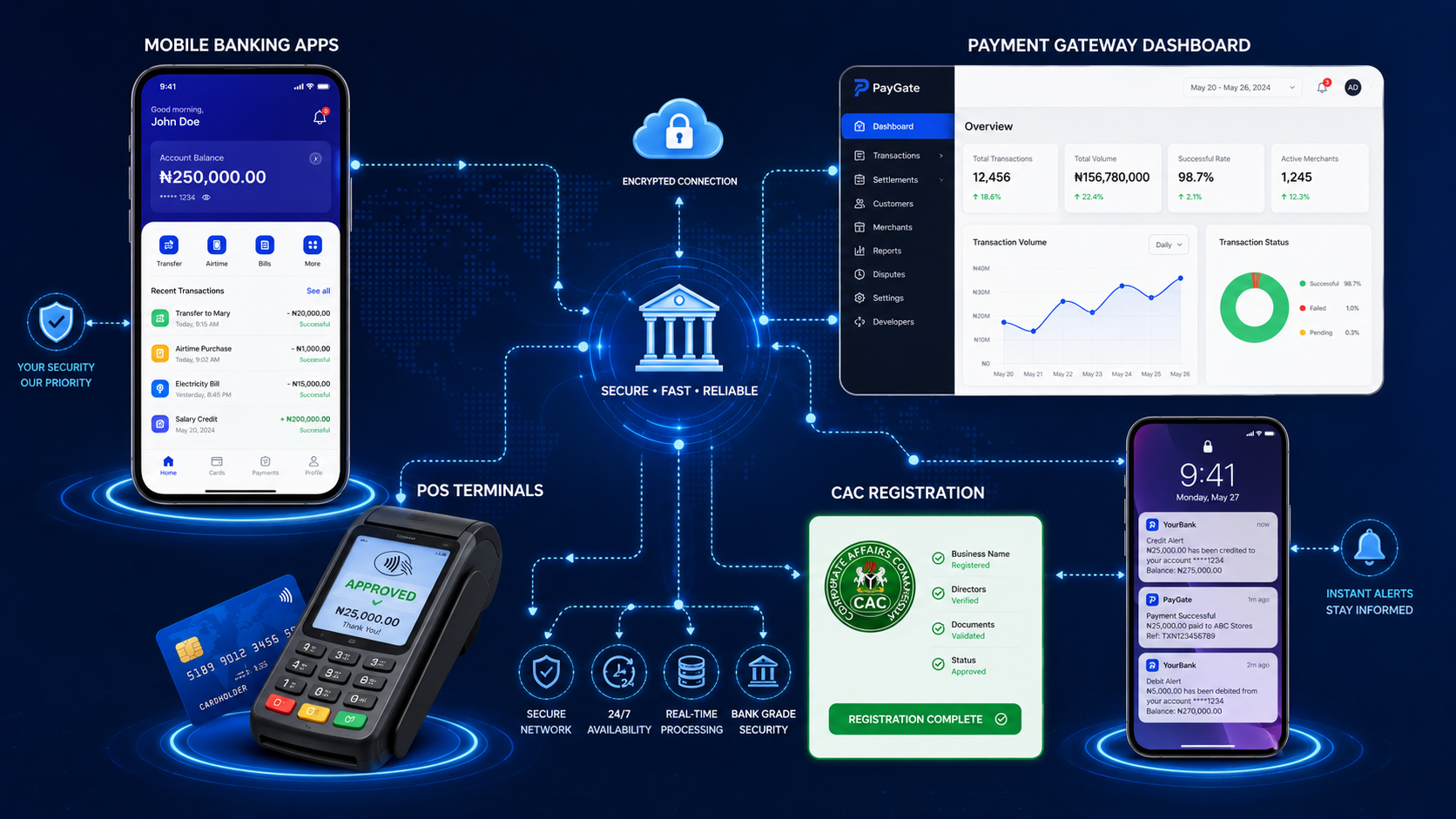
Over the past few years, Nigeria has increased efforts to improve tax transparency using:
- Banking system integration
- Digital payment monitoring
- Fintech transaction records
- CAC registration databases
- E-commerce activity tracking
As a result, FIRS Tax Rules in Nigeria Small Business activities now affect more entrepreneurs than ever before.
Why FIRS Tax Rules in Nigeria Small Business Compliance Matter in 2026
Many entrepreneurs ignore FIRS Tax Rules in Nigeria Small Business operations until they begin facing documentation requests, loan rejections, or compliance notices.
However, businesses that organize their systems early usually experience fewer long-term operational problems.
Today, many businesses use:
- POS terminals
- Business bank accounts
- Payment gateways
- Online checkout systems
- Mobile transfers
- Digital bookkeeping platforms
All these systems create transaction histories that increase business visibility.
Investors are also paying closer attention to structure before profitability. This explains why understanding scalable business systems and investor expectations is becoming increasingly important for African entrepreneurs.
Tax Identification Number (TIN) and Business Registration
A Tax Identification Number (TIN) has become one of the most important requirements for formal business operations in Nigeria.
Businesses may need a TIN for:
- Opening corporate bank accounts
- Accessing financing opportunities
- Government contracts
- Import and export operations
- Payment gateway integration
- Supplier agreements
Businesses registered through the Corporate Affairs Commission (CAC) are increasingly connected to Nigeria’s formal compliance ecosystem.
Learning how FIRS Tax Rules in Nigeria Small Business systems work can help startups avoid expensive corrections later.
Company Income Tax for Nigerian Small Businesses
In Nigeria, companies are generally classified based on annual turnover.
- Small Companies: Below ₦25 million annual turnover
- Medium Companies: ₦25 million to ₦100 million
- Large Companies: Above ₦100 million
Many small businesses may qualify for reduced Company Income Tax obligations depending on revenue structure and applicable regulations.
However, one major mistake entrepreneurs make is assuming that low tax obligations mean no filing responsibilities.
Even businesses with little or no Company Income Tax obligations may still need to:
- Maintain records
- Submit annual filings
- Provide financial documentation
- Respond to compliance requests
As fintech adoption grows across Africa, FIRS Tax Rules in Nigeria Small Business environments are becoming more connected to digital transaction systems.
How VAT Works Under FIRS Tax Rules in Nigeria Small Business Environments
Value Added Tax (VAT) remains one of the most misunderstood areas of Nigerian tax compliance.
Depending on turnover and business activity, companies may need to:
- Register for VAT
- Charge VAT correctly
- Submit monthly VAT filings
- Maintain transaction documentation
Businesses operating online are becoming more visible due to fintech growth.
Platforms like Paystack and Flutterwave have simplified digital transactions for Nigerian businesses while increasing payment traceability.
Business owners who understand FIRS Tax Rules in Nigeria Small Business compliance requirements early often position themselves for smoother expansion opportunities.
Common Compliance Mistakes Small Businesses Make
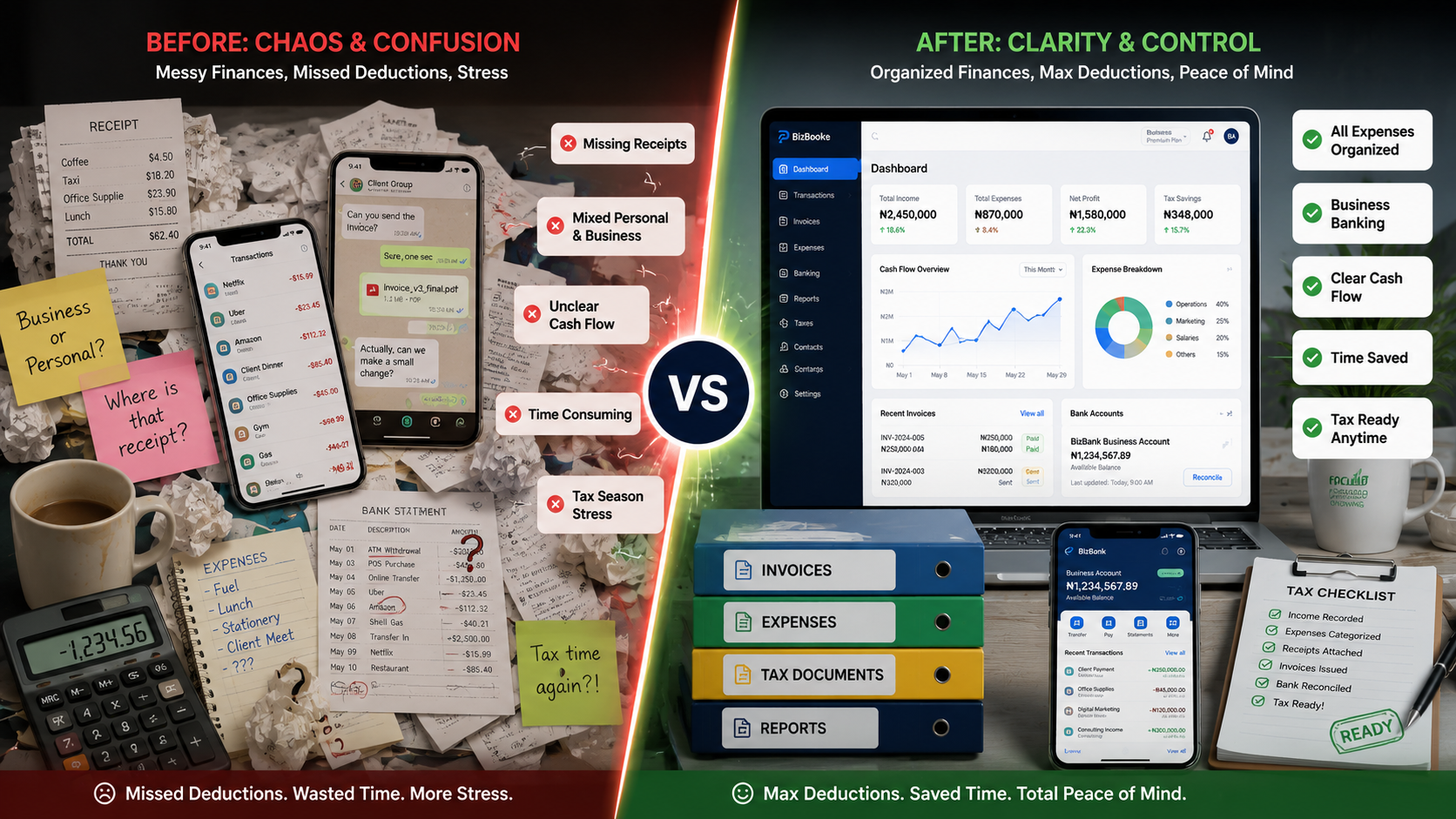
Mixing Personal and Business Finances
This remains one of the biggest bookkeeping problems among entrepreneurs.
Using the same account for:
- Personal spending
- Family expenses
- Business operations
- Inventory purchases
creates confusion during tax filing and financial reviews.
Poor Recordkeeping
Some business owners rely entirely on screenshots, alerts, or memory instead of organized records.
Businesses should maintain:
- Invoices
- Expense records
- Sales history
- Supplier agreements
- Payroll records
- Bank statements
Accounting tools like QuickBooks and Zoho Books can help simplify bookkeeping and reporting.
Ignoring Filing Deadlines
Late filings may attract penalties and create compliance problems later.
Understanding FIRS Tax Rules in Nigeria Small Business operations early reduces these risks significantly.
Real Example: How Structure Helped a Small Business Grow
A Lagos-based skincare brand started as a simple Instagram business operated through personal bank accounts.
At first, the owner focused mainly on sales and social media marketing.
As demand increased, larger retailers requested:
- Business registration documents
- Tax records
- Supplier agreements
- Corporate invoices
Because financial systems were disorganized, expansion became difficult.
After restructuring operations, separating finances, and organizing tax filings, the business eventually secured retail partnerships and financing support.
The lesson was clear: structure supports scalability.
How Compliance Supports Long-Term Business Growth
Many entrepreneurs see tax compliance only as an expense.
In reality, organized systems can improve access to:
- Bank loans
- Corporate partnerships
- Investor opportunities
- Government programs
- Regional expansion
Businesses planning regional growth should also understand how African trade systems are evolving.
This guide on operating across Africa through AfCFTA explains how structured companies are preparing for cross-border opportunities.
Realistic Expectations About Online Income in 2026
Social media often creates unrealistic expectations about online income.
Some beginner earning methods can help people learn digital skills, including:
- Freelancing
- Affiliate marketing
- Microtasks
- Social media management
- Online reselling
- Content creation
However, these methods usually generate limited or inconsistent income initially.
Sustainable long-term growth often comes from building scalable digital assets such as:
- Websites and blogs
- YouTube channels
- E-commerce systems
- Digital products
- Mobile apps
- Online education platforms
Teams like Valspill increasingly help entrepreneurs build these systems properly for monetization, audience growth, and long-term revenue generation.
The progression usually follows this path:
- Start Small — Learn digital skills
- Build Experience — Understand markets and audiences
- Create Assets — Websites, platforms, channels
- Scale Systems — Traffic, monetization, automation
The difference between survival businesses and scalable businesses is becoming more important across Africa.
Related reading: Scalable vs Small Business Difference in Africa (2026 Growth Comparison Guide)

How Compliance Improves SME Funding Opportunities
Fintech-driven business lending continues to expand across Africa.
Today, many lenders evaluate:
- Revenue consistency
- Business registration
- Banking records
- Tax compliance
- Cash flow structure
Entrepreneurs comparing financing options can explore several SME loan platforms in Africa supporting growing businesses.
Well-structured businesses generally appear more reliable to investors and lenders.
Supplier Agreements and Financial Documentation
As businesses grow, supplier relationships become increasingly important.
Proper agreements help companies:
- Track expenses properly
- Prevent disputes
- Improve bookkeeping
- Support tax reporting
- Create operational transparency
This guide on operating across Africa through AfCFTA explains key clauses entrepreneurs should understand before signing agreements.
Best Practices for Staying Compliant
Separate Business Accounts
Dedicated business banking improves financial organization.
Maintain Monthly Records
Consistent bookkeeping prevents year-end confusion.
Understand Filing Requirements
Different businesses may have different obligations.
Use Digital Accounting Tools
Simple systems are better than disorganized spreadsheets and screenshots.
Think Long-Term
Businesses that prioritize structure early often scale more smoothly over time.
Final Thoughts on FIRS Tax Rules in Nigeria Small Business Compliance
Understanding FIRS Tax Rules in Nigeria Small Business operations can help entrepreneurs avoid penalties while building stronger and more scalable companies.
As Nigeria’s business ecosystem becomes more digital and data-driven, financial transparency and organized compliance systems are becoming increasingly important.
Small online income methods may help people start learning valuable skills, but sustainable wealth creation usually comes from building scalable systems, structured businesses, and long-term digital assets.
Entrepreneurs who focus on organization, consistency, and long-term strategy are often better positioned for growth in 2026 and beyond.
Frequently Asked Questions (FAQ)
Do all small businesses in Nigeria need to pay tax?
Tax obligations depend on turnover, structure, and business activity. However, many businesses still have filing obligations even if taxes owed are minimal.
Can online businesses be monitored by FIRS?
Yes. Digital transactions, fintech platforms, and banking records are increasing business visibility.
Why is a TIN important?
A Tax Identification Number is often required for banking, contracts, financing, and formal business operations.
Can poor bookkeeping affect loan applications?
Yes. Many lenders review financial records, transaction history, and compliance documentation before approving financing.
Are beginner online income methods enough for long-term wealth?
Usually not. Most beginner methods provide modest income initially. Long-term growth often comes from building scalable digital assets and structured business systems.
Why are scalable systems becoming more important in Africa?
Businesses with organized systems often attract more investment, expand more efficiently, and handle compliance requirements more effectively.