

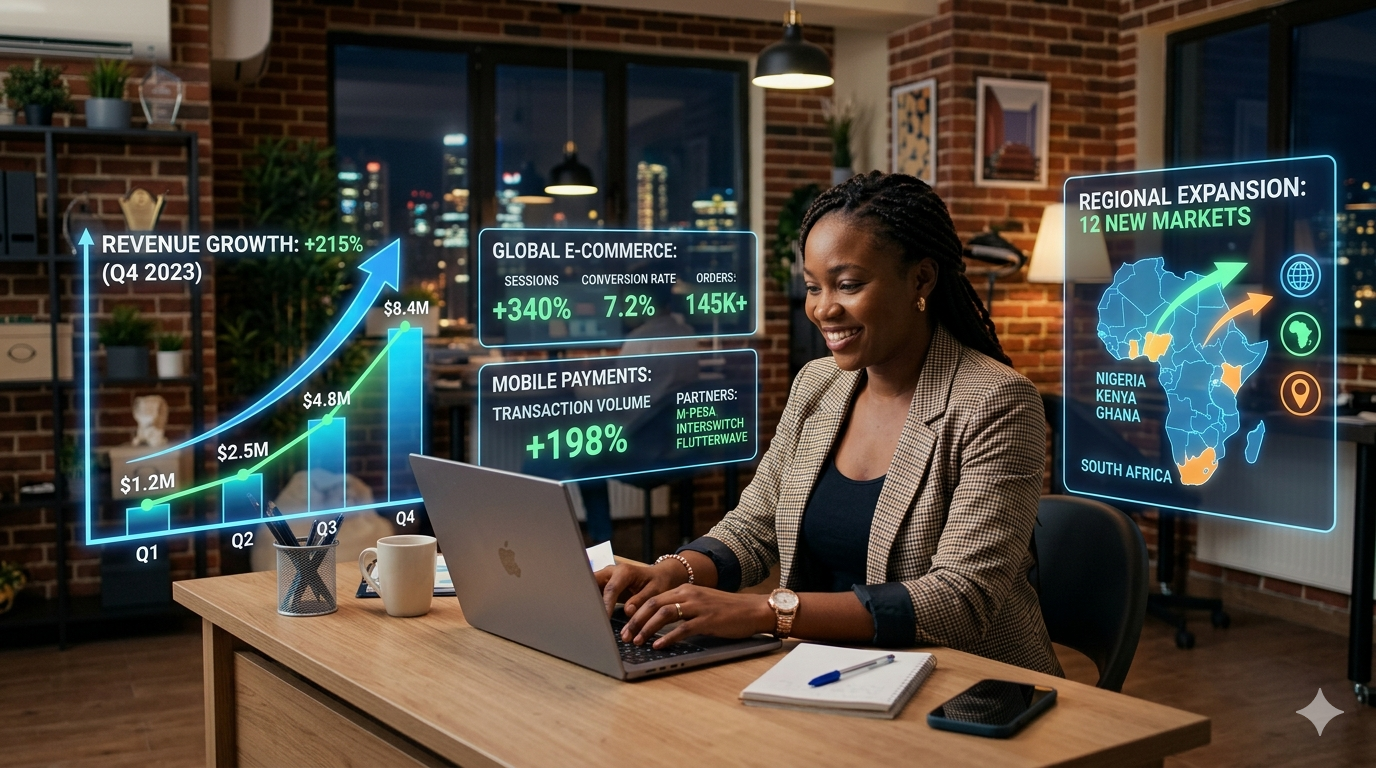
The scalable vs small business difference in Africa is becoming more important as African entrepreneurs shift from survival-based businesses toward technology-driven growth models.
Across Nigeria, Kenya, Ghana, Rwanda, Egypt, and South Africa, thousands of founders are starting businesses every year. Some are building small businesses that generate steady local income. Others are creating scalable systems designed to grow across cities, countries, and digital markets.
Both paths can work successfully. But they require different strategies, funding structures, technologies, and long-term expectations.
Understanding the scalable vs small business difference in Africa can help entrepreneurs avoid costly mistakes, build stronger systems, and choose business models that match their goals.
In this detailed guide, you will learn:
- What separates scalable businesses from traditional small businesses
- Why scalability matters more in Africa in 2026
- How digital assets create long-term income opportunities
- Common mistakes entrepreneurs make
- How small businesses can transition into scalable systems
What Is a Small Business?
A small business is usually built to generate stable income for the owner and a relatively small team.
Most African businesses fall into this category.
Examples include:
- Mini supermarkets
- Fashion stores
- Restaurants and food vendors
- Phone accessory shops
- Local logistics services
- Barbing salons
- Freelance businesses
- Traditional farming operations
These businesses often depend heavily on the founder’s direct involvement. The owner usually manages customer service, operations, finances, and marketing personally.
According to the World Bank SME Finance Report, small and medium-sized enterprises remain one of the largest contributors to employment in developing economies.
Main Characteristics of Small Businesses
- Lower startup capital
- Limited market reach
- Owner-dependent operations
- Slower expansion speed
- Mostly local customer base
- Manual processes
A small business can still become highly profitable. However, scaling usually becomes difficult without systems and automation.
What Is a Scalable Business?
A scalable business is designed to grow revenue rapidly without increasing costs at the same pace.
Instead of depending entirely on physical labor or local customers, scalable businesses use systems, automation, branding, digital infrastructure, and repeatable processes.
Examples include:
- E-commerce platforms
- Software startups
- Fintech companies
- YouTube media brands
- Subscription-based businesses
- Online education platforms
- Digital marketplaces
- Mobile applications
This is where the scalable vs small business difference in Africa becomes very clear.
A scalable business can serve thousands of customers across multiple countries without needing thousands of employees immediately.
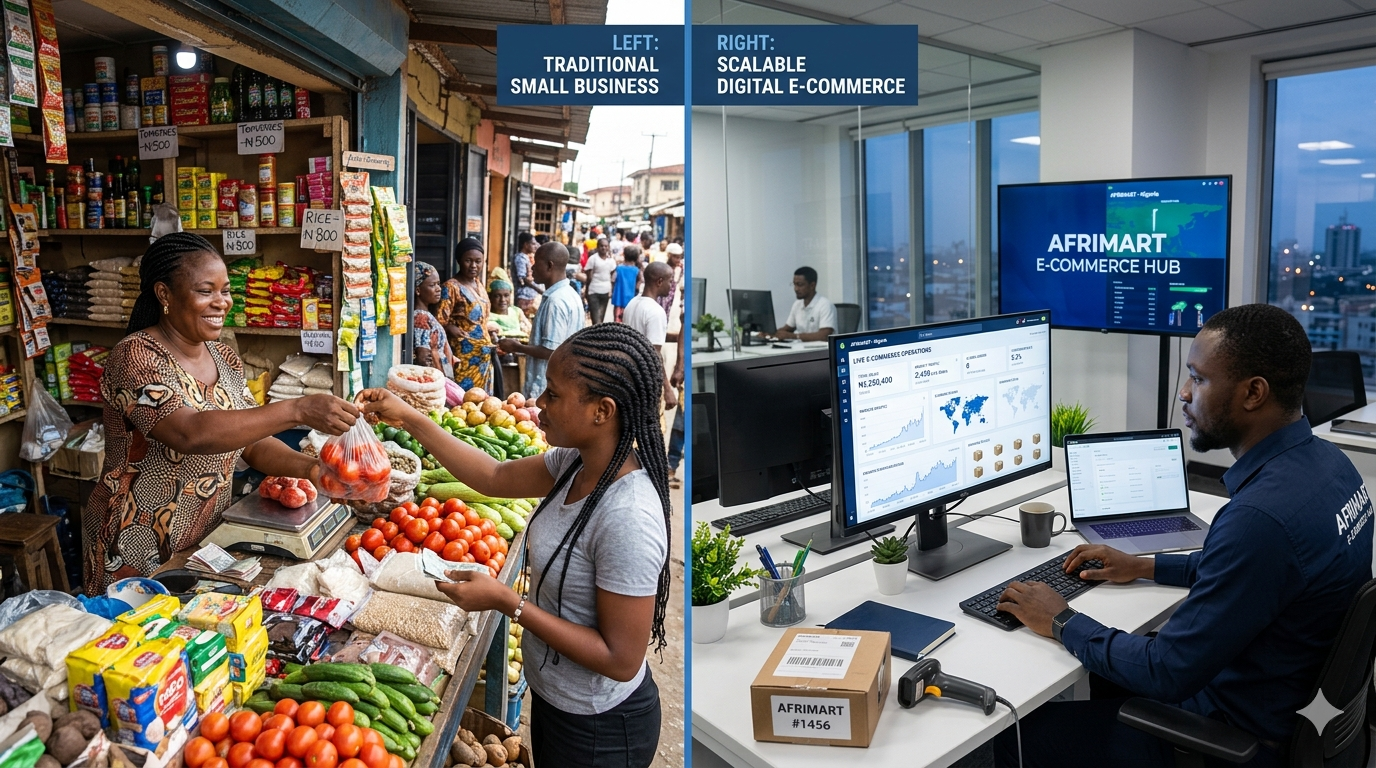
Understanding the Scalable vs Small Business Difference in Africa
The core difference is simple:
Small businesses rely heavily on active work, while scalable businesses rely on systems that continue growing beyond the founder’s direct daily effort.
| Factor | Small Business | Scalable Business |
|---|---|---|
| Growth Potential | Limited | High |
| Technology Dependence | Low to moderate | High |
| Automation | Minimal | Extensive |
| Revenue Expansion | Slower | Faster |
| Owner Dependency | Very High | Lower over time |
| Market Reach | Local | Regional or global |
Many African entrepreneurs are now realizing that long-term wealth creation often depends on building systems capable of operating beyond local limitations.
Why Scalability Matters More in Africa in 2026
Africa’s digital economy is expanding rapidly.
Mobile internet access, fintech innovation, AI tools, digital banking, creator economies, and e-commerce growth are changing how businesses operate.
According to GSMA Mobile Economy Africa, smartphone adoption and mobile internet penetration continue to rise across the continent.
This means businesses can now:
- Reach customers online
- Sell across borders
- Automate transactions
- Build audiences digitally
- Operate remotely
As a result, many entrepreneurs are transitioning from small offline businesses into scalable online systems.
The Truth About Online Income in Africa
Many beginners enter online business expecting instant success.
But the reality is different.
Small online income methods usually generate limited earnings initially.
Examples include:
- Survey websites
- Microtask platforms
- Basic affiliate marketing
- Freelance gigs
- Simple reselling businesses
These can help people learn digital skills and understand internet business models, but they rarely become life-changing income sources alone.
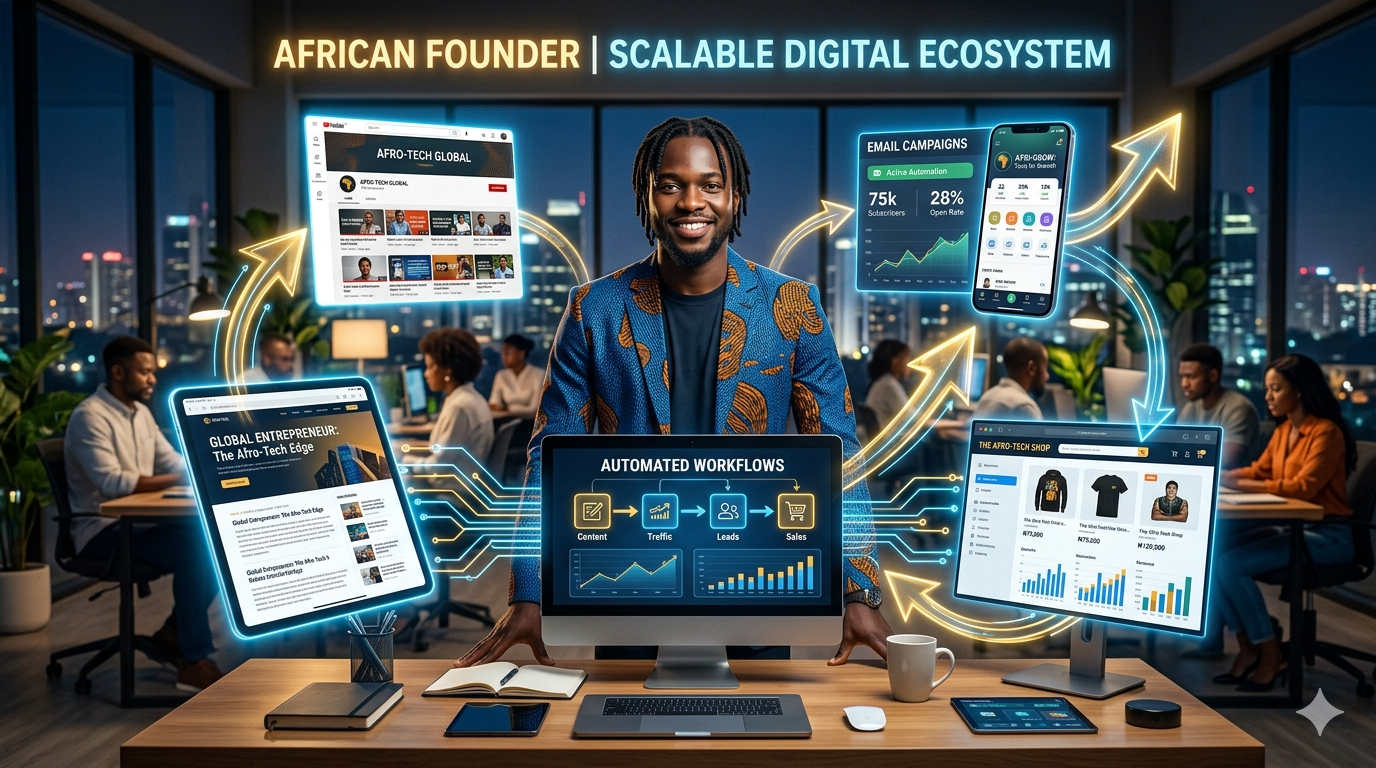
The real breakthrough often happens when entrepreneurs start building scalable digital assets.
Examples of Scalable Digital Assets
- Authority websites
- YouTube channels
- E-commerce stores
- Online communities
- Educational platforms
- Mobile apps
- Subscription systems
These systems can continue generating traffic, leads, and revenue long after they are created.
That is why the scalable vs small business difference in Africa matters more than ever for online entrepreneurs in 2026.
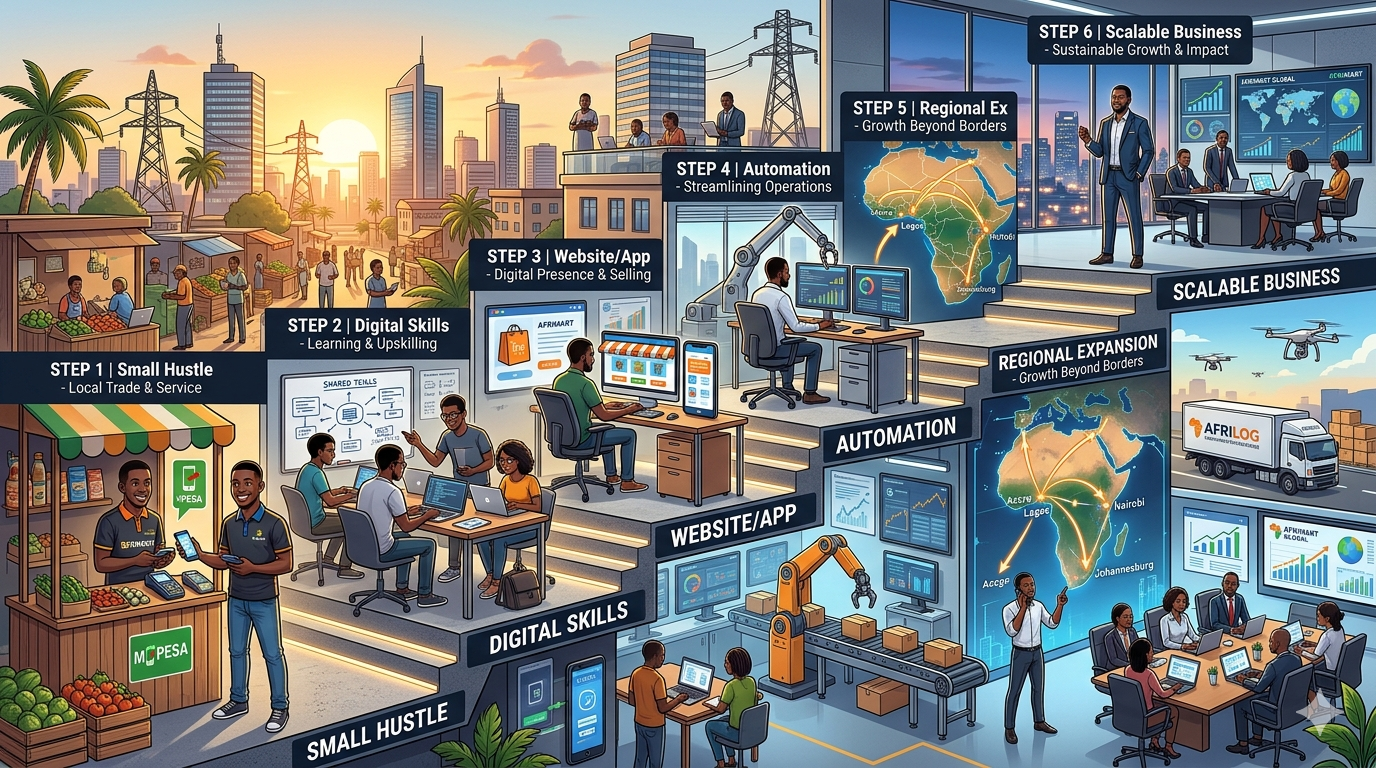
How Small Businesses Become Scalable
Many scalable companies actually started as small businesses.
The transition usually happens gradually.
Step 1: Start With a Simple Offer
Most entrepreneurs begin with a small service or product.
Step 2: Learn Customer Behavior
Understanding customer problems helps businesses improve systems.
Step 3: Build Processes
Scalability requires repeatable operations.
Step 4: Use Technology
Automation tools help businesses grow more efficiently.
Step 5: Build Digital Assets
Websites, apps, SEO content, and social media audiences become long-term growth engines.
A practical example of this transition can be seen in WhatsApp to E-Commerce Store: What Happened When I Moved My Small Business Online In 2026, which explains how a founder moved from manual online selling into a larger e-commerce system.
Case Study: From Local Hustle to Regional Brand
A skincare entrepreneur in Lagos initially sold products only through WhatsApp and Instagram.
At first:
- Orders were handled manually
- Customer records were poorly organized
- Revenue depended heavily on daily activity
- Growth was limited
Later, the founder invested in:
- An e-commerce website
- Automated payment systems
- Email marketing
- SEO content
- Customer retention systems
Within two years, the business expanded beyond Lagos into multiple states.
This example highlights the real-world impact of the scalable vs small business difference in Africa.
Funding Differences Between Small and Scalable Businesses
Funding models often differ significantly.
Small businesses usually depend on:
- Personal savings
- Family support
- Microfinance loans
- Small bank financing
Scalable businesses may pursue:
- Angel investment
- Venture capital
- Accelerator programs
- Private equity
- Family office funding
Many founders are now exploring alternative funding systems outside traditional bank loans.
Related reading: 7 Hidden Ways Family Office Funding in Nigeria Helps Entrepreneurs Raise Capital Without Banks
Why Many Startups Fail Before Scaling
Many African startups fail before becoming profitable because they attempt to scale too quickly without proper systems.
Common problems include:
- Poor cash flow management
- Weak operational systems
- Unrealistic expectations
- Lack of product-market fit
- Founder burnout
This problem is explored further in Why Bootstrapped Startup Failure in Africa Is Getting Worse Before Profit (2026 Survival Guide).
The Importance of Business Structure and Tax Planning
As businesses grow, legal structure becomes increasingly important.
The wrong business setup can create:
- Tax inefficiencies
- Funding limitations
- Compliance problems
- Expansion difficulties
Entrepreneurs planning long-term scalability should understand how taxes and corporate structure affect future growth.
This guide on Best Business Structure for Tax in Africa (2027 Tax Savings Strategy Guide) explains important tax considerations for African business owners.
Why Digital Assets Matter for Long-Term Income
One major lesson many entrepreneurs are learning is this:
Income tied only to daily labor is difficult to scale sustainably.
Digital assets can continue producing value long after they are created.
Examples include:
- Search-optimized blogs
- YouTube content libraries
- Email subscriber lists
- Digital courses
- Online communities
- Mobile apps
According to UNCTAD, digital trade and e-commerce are becoming increasingly important for Africa’s future economy.
This explains why many founders are now combining traditional businesses with content marketing, SEO, automation, and audience building.
Teams like Valspill increasingly help entrepreneurs build and structure scalable digital assets correctly for long-term monetization and sustainable growth.
FAQ: Scalable vs Small Business Difference in Africa
What is the scalable vs small business difference in Africa?
The scalable vs small business difference in Africa mainly involves growth capacity, automation, technology use, and how dependent the business is on the founder’s direct effort.
Can a small business become scalable?
Yes. Many scalable businesses started as small local businesses before expanding through technology and systems.
Are scalable businesses riskier?
In many cases, yes. Scalable businesses often require more investment, stronger systems, and longer growth timelines.
Do online side hustles become scalable businesses?
Some do. Many entrepreneurs use small online income methods as learning opportunities before building larger digital assets.
Why do many startups fail before scaling?
Poor cash flow, weak systems, unrealistic growth expectations, and operational problems are common reasons.
Is a small business still a good option?
Absolutely. Many small businesses provide stable income, financial independence, and long-term sustainability.
Final Thoughts
The scalable vs small business difference in Africa is not about choosing one model as universally better.
Instead, it is about understanding how different business systems work and selecting the right growth path for your goals.
Small businesses remain essential to Africa’s economy and continue supporting millions of families.
At the same time, scalable digital systems are opening new opportunities for entrepreneurs who want to grow beyond local limitations.
For many founders, the smartest path may be:
Start small, learn deeply, build systems gradually, and scale sustainably over time.
That approach is often far more realistic and sustainable than chasing unrealistic “quick money” promises online.
One important foundation for growth is proper financial setup and compliance. Entrepreneurs preparing for expansion should also understand business banking requirements early. This article on Business Bank Account Nigeria Documents: The Complete Guide You Must Know in 2026 explains what many founders overlook when building long-term business systems.