

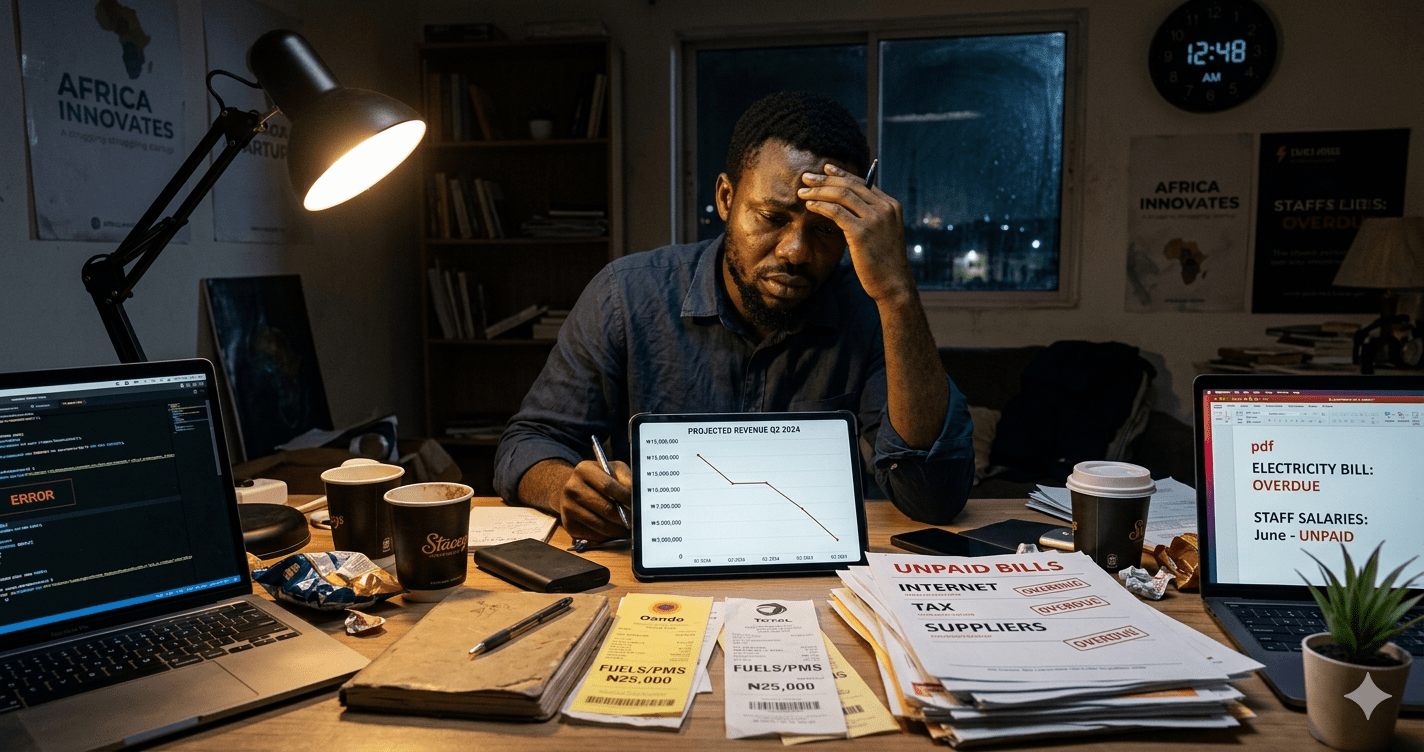
Bootstrapped startup failure in Africa has become one of the biggest challenges facing entrepreneurs in 2026.
Every year, thousands of ambitious founders across Nigeria, Kenya, Ghana, South Africa, and other African countries launch businesses using personal savings, side hustle income, or support from friends and family. Many of these startups begin with excitement, strong ideas, and hopeful expectations.
But within two to three years, a large number quietly disappear.
Not because the founders were lazy.
Not because the ideas were completely bad.
And not always because of funding alone.
The real issue is that many founders enter business without systems designed for survival.
In Africa’s fast-changing economic environment, surviving long enough to reach profitability requires more than motivation. It requires cash flow discipline, customer retention, digital visibility, lean operations, and long-term thinking.
According to research from the World Bank, Statista, and regional SME development reports, small businesses across emerging markets continue facing inflation pressure, unstable operating costs, customer acquisition difficulties, and infrastructure-related expenses.
Yet despite these obstacles, some bootstrapped businesses survive and eventually thrive.
This guide explains:
- Why bootstrapped startup failure in Africa happens so frequently
- The biggest mistakes new founders make
- How surviving businesses operate differently
- Practical ways to build sustainable growth in 2026
Why Bootstrapped Startup Failure in Africa Is Increasing in 2026
The African startup ecosystem is growing rapidly.
Internet penetration continues rising. Mobile payments are expanding. More young people are exploring entrepreneurship than ever before.
At the same time, the economic reality for founders has become tougher.
Many bootstrapped businesses now face:
- High inflation
- Increasing operational costs
- Currency instability
- Lower consumer spending
- Expensive customer acquisition
- Unstable power supply and logistics costs
In Nigeria especially, fuel price increases and foreign exchange instability have affected small businesses heavily.
A founder who planned monthly expenses last year may now be spending nearly double in some areas.
This creates a dangerous situation for startups already operating on limited capital.
Understanding bootstrapped startup failure in Africa requires looking beyond funding problems alone.
Common Causes of Bootstrapped Startup Failure in Africa
How Bootstrapped Startup Failure in Africa Starts With Poor Cash Flow
Cash flow problems destroy more businesses than bad ideas.
Many startups generate revenue but still collapse because money enters and leaves the business at the wrong pace.
For example:
- Customers delay payment
- Inventory ties up available cash
- Marketing expenses increase unexpectedly
- Transportation and logistics costs rise
- Founders spend too quickly during growth periods
Many founders underestimate how quickly bootstrapped startup failure in Africa can happen without proper financial planning.
One difficult month can suddenly create debt pressure or operational shutdowns.
Businesses that survive usually maintain:
- Emergency reserves
- Lean monthly expenses
- Flexible operations
- Multiple income sources
- Strict budgeting systems
Overdependence on One Revenue Source
One reason bootstrapped startup failure in Africa continues rising is unstable customer acquisition systems.
Many founders depend completely on:
- Instagram traffic
- WhatsApp referrals
- TikTok visibility
- One major client
- Paid advertising only
The problem is simple.
If that single source slows down, revenue disappears immediately.
Algorithm changes, account restrictions, ad price increases, or market competition can quickly damage income.
Surviving businesses usually diversify customer acquisition channels early.
They combine:
- SEO traffic
- Email marketing
- Referral systems
- Community building
- Organic social content
- Search engine visibility
Lack of Long-Term Thinking
Many new entrepreneurs expect fast profits.
Social media success stories sometimes create unrealistic expectations about entrepreneurship.
In reality, most sustainable businesses grow slowly.
Businesses that survive usually focus on:
- Customer retention
- Brand trust
- Operational efficiency
- Repeat revenue systems
- Long-term audience building
Learning from bootstrapped startup failure in Africa can help new entrepreneurs build more resilient businesses.
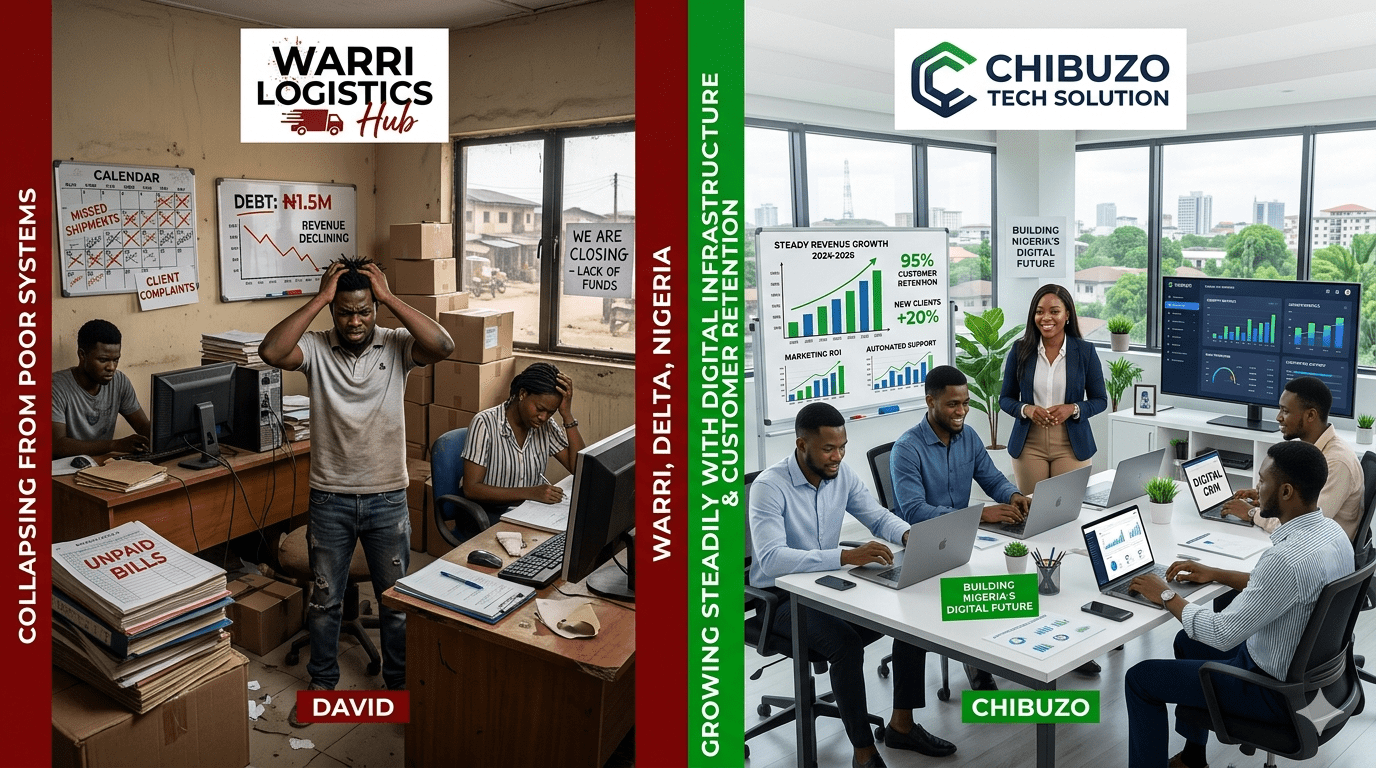
Realistic Example: The Food Startup That Nearly Collapsed
Chioma launched a small food delivery brand in Lagos using savings from freelance work.
At first, business looked promising.
Orders increased steadily through Instagram promotions and referrals.
Then operational pressure started growing.
- Fuel prices increased
- Delivery costs doubled
- Packaging became more expensive
- Advertising costs rose
- Customers delayed payments for bulk orders
Within months, profit margins disappeared.
The business was generating revenue but losing stability.
Instead of expanding aggressively, she adjusted strategy.
She:
- Reduced unnecessary menu items
- Focused on repeat customers
- Built a simple website
- Started ranking for local food-related search terms
- Collected customer emails for repeat promotions
- Created weekly subscription meal plans
Over time, customer retention improved and marketing costs reduced.
The business survived because she moved away from reactive survival mode and built systems that created predictable demand.
What Surviving Founders Learned From Bootstrapped Startup Failure in Africa
The businesses that survive often learn painful lessons early.
Reducing the risk of bootstrapped startup failure in Africa often starts with lean operations and recurring revenue systems.
They Stay Lean for Longer
Many failed startups overspend trying to look successful.
Surviving businesses often avoid:
- Expensive offices
- Large unnecessary teams
- Luxury branding expenses
- Premature scaling
Instead, they focus on profitability first.
They Build Digital Assets Early
One major difference between struggling startups and stable businesses is digital asset ownership.
Businesses that survive long-term usually build:
- Websites
- Blogs
- Email lists
- YouTube channels
- Communities
- Search engine visibility
These assets continue generating traffic and opportunities over time.
Unlike temporary social media trends, digital assets compound gradually.
This is one reason many founders now work with teams like Valspill that help businesses properly develop monetized websites, scalable content systems, and long-term digital revenue structures.

They Focus on Customer Retention
Acquiring new customers constantly is expensive.
Returning customers often generate higher long-term profitability.
Surviving businesses usually prioritize:
- Customer experience
- Email follow-ups
- Community trust
- Loyalty systems
- Consistent communication
Why Small Online Income Methods Alone Rarely Create Stability
Many people exploring entrepreneurship in 2026 begin with small online income opportunities.
Examples include:
- Freelancing
- Affiliate marketing
- Content creation
- Microtasks
- Remote gigs
- Online side hustles
These methods can help beginners earn small amounts of money and learn useful digital skills.
But realistic expectations matter.
Most beginner online earning methods generate limited income initially.
They are usually starting points rather than complete financial solutions.
The long-term opportunity often comes from transforming those skills into scalable digital assets.
For example:
- A freelancer launches an agency website
- A creator builds a monetized blog
- A niche audience becomes a business community
- A side hustle evolves into a digital brand
This growth path matters because sustainable businesses usually depend on systems, not daily hustle alone.
How to Avoid Bootstrapped Startup Failure in Africa
1. Build Multiple Revenue Streams
Depending on one source of income creates vulnerability.
Explore complementary services, products, or digital monetization systems.
2. Prioritize SEO and Search Visibility
Organic search traffic can reduce long-term advertising costs.
Helpful content continues attracting traffic long after publication.
3. Focus on Repeat Customers
Retention often matters more than constant customer acquisition.
Happy customers become long-term business assets.
4. Prepare for Seasonal Revenue Changes
Many businesses experience slow periods after holidays or economic changes.
Founders who plan ahead survive these cycles better.
For deeper insight into seasonal revenue management, read:
Why Business Revenue Keeps Dropping Every January and 5 Powerful Calendar Strategies That Fix It
5. Avoid Scaling Too Quickly
Growth without operational stability often creates larger problems.
Many startups fail because they expand before systems are ready.
The Future of Bootstrapped Businesses in Africa
Despite economic challenges, Africa remains one of the world’s most exciting entrepreneurial regions.
Digital payments, internet growth, remote work opportunities, creator economies, and online education continue creating new business possibilities.
But long-term success usually belongs to businesses that adapt consistently.
The founders who survive are rarely the ones chasing quick viral success.
They are usually the founders building systems quietly over time.
They focus on:
- Sustainable visibility
- Audience trust
- Recurring revenue
- Operational efficiency
- Scalable digital infrastructure
That mindset separates temporary businesses from sustainable companies.
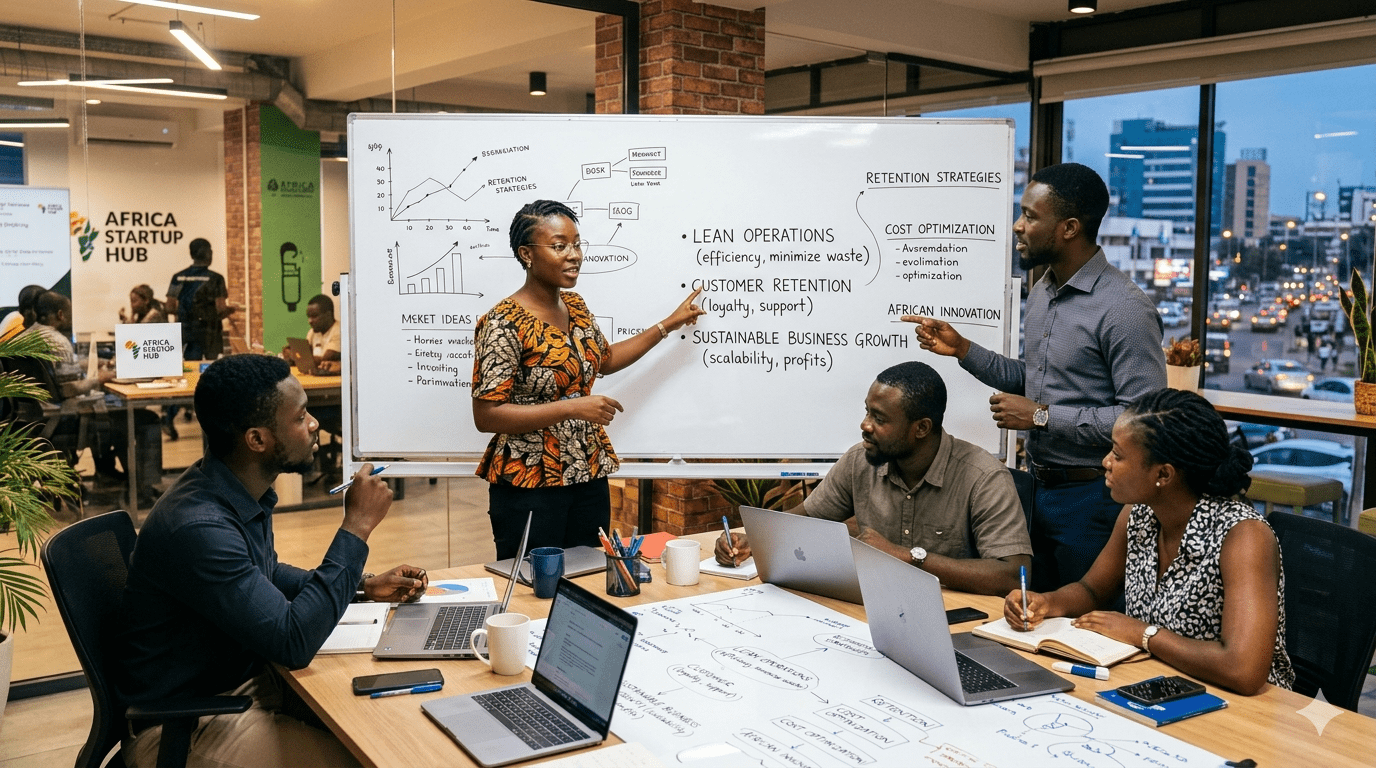
Final Thoughts
Bootstrapped startup failure in Africa is a real challenge, but it is not unavoidable.
Most businesses fail long before profitability because they rely only on short-term survival tactics instead of long-term systems.
The businesses that survive usually:
- Manage cash flow carefully
- Build digital assets early
- Diversify traffic and income
- Stay lean longer
- Focus on retention and trust
- Think beyond quick profits
Small online income opportunities can help people start learning valuable skills.
But real long-term stability often comes from building scalable digital ecosystems like websites, media brands, apps, content platforms, or communities.
If you are building a startup in 2026, focus less on appearing successful and more on creating systems that survive difficult seasons.
That approach gives businesses a far better chance of reaching sustainable profitability.
Frequently Asked Questions (FAQ)
Why does bootstrapped startup failure in Africa happen so often?
Most failures happen because of poor cash flow management, unstable customer acquisition systems, rising operational costs, and lack of long-term planning.
Can bootstrapped startups succeed in Africa?
Yes. Many successful African businesses started with limited funding. The key difference is usually operational discipline, customer retention, and long-term system building.
How long does it take for most startups to become profitable?
Profitability timelines vary, but many sustainable businesses take several years to stabilize fully. Unrealistic expectations often create pressure that damages growth.
Are online side hustles enough to build financial stability?
Usually not alone. Small online income methods can help beginners learn skills and generate income, but long-term stability often requires building scalable digital assets.
Why are digital assets important for startups?
Digital assets like blogs, websites, email lists, and content platforms continue generating traffic and opportunities over time, reducing dependence on temporary trends.
What is the best survival strategy for new founders in 2026?
Stay lean, manage cash flow carefully, focus on customer retention, diversify revenue sources, and build long-term visibility through digital systems.