


Across Africa, startup ecosystems continue attracting global attention. Venture capital firms, innovation hubs, fintech investors, and accelerator programs have injected billions into African startups over the past few years.
Yet despite this momentum, Startup Accelerator Failure In Africa 2027 is becoming one of the biggest concerns within the continent’s innovation economy.
Many startups receive funding, media exposure, mentorship, and international investor backing — but still shut down after a short period.
The reality is uncomfortable but important:
Funding alone does not create sustainable businesses.
This article explores the real causes behind Startup Accelerator Failure In Africa 2027, why funded startups continue collapsing, and how founders can build stronger, scalable businesses that survive beyond investor hype.
Why Startup Accelerator Failure In Africa 2027 Is Becoming More Common
The conversation around Startup Accelerator Failure In Africa 2027 has intensified because many heavily funded startups are struggling with long-term sustainability.
Over the last decade, African startup funding increased rapidly according to reports from
Disrupt Africa, Brookings Institution, and Statista.
However, funding growth has not always translated into stable businesses.
Many startups expanded aggressively without developing:
- Strong operational systems
- Reliable cash flow
- Customer retention strategies
- Scalable infrastructure
- Profitability pathways
As a result, startups that once looked successful externally eventually struggled internally.
How Startup Accelerators Work
Startup accelerators are designed to help early-stage companies grow quickly through:
- Seed funding
- Mentorship programs
- Networking opportunities
- Investor introductions
- Business development training
- Pitch support
The accelerator model became popular globally after the success of programs like Y Combinator.
African innovation hubs adopted similar structures to support entrepreneurship across sectors like:
- Fintech
- Health technology
- Agriculture
- Logistics
- eCommerce
- Digital education
But Africa’s business environment introduces unique challenges that many accelerator programs underestimate.
The Biggest Causes Of Startup Accelerator Failure In Africa 2027
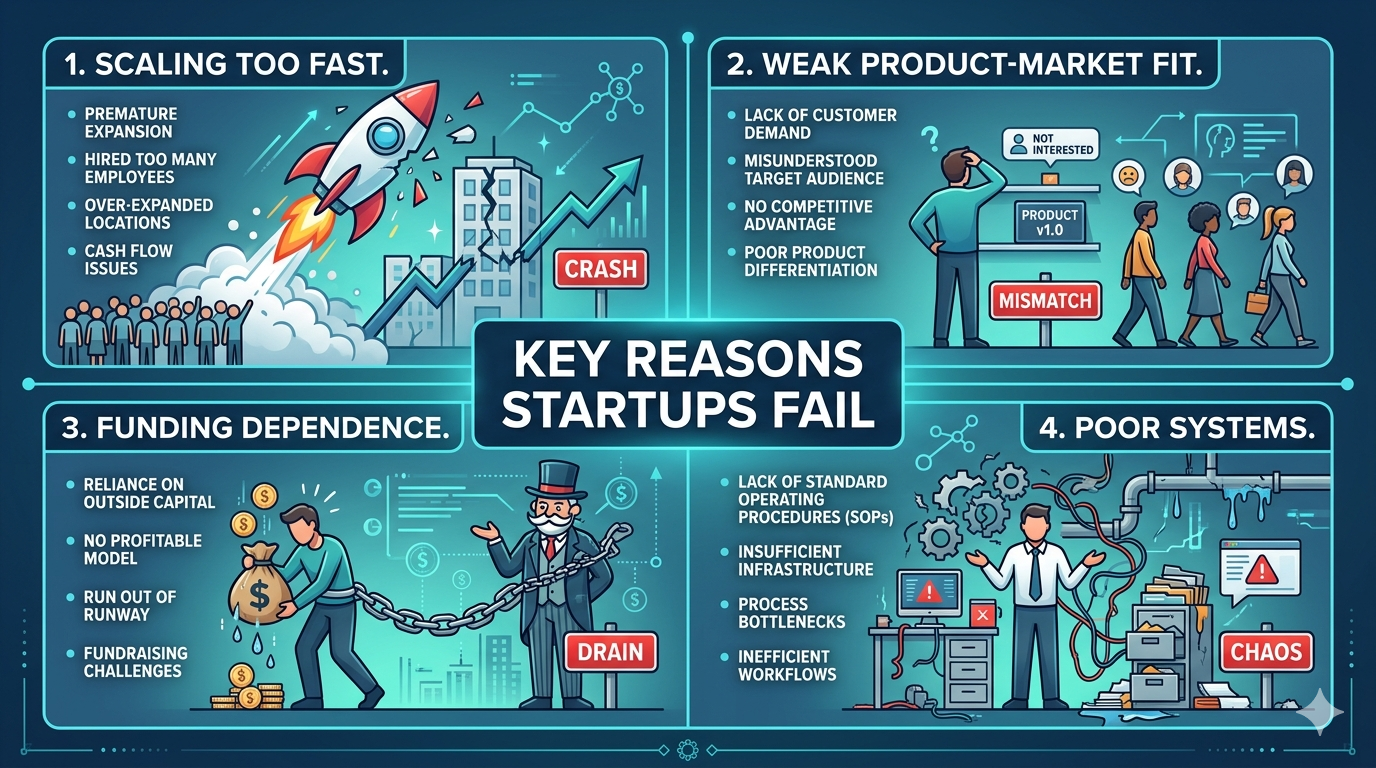
1. Scaling Too Fast Without Stability
One major driver of Startup Accelerator Failure In Africa 2027 is aggressive expansion before operational stability.
Many startups rush into multiple cities or countries immediately after receiving funding.
Founders often feel pressure to:
- Grow rapidly
- Increase valuation
- Impress investors
- Capture markets quickly
Unfortunately, fast expansion can create:
- High operational costs
- Customer service breakdowns
- Logistics inefficiencies
- Weak quality control
This is why investors increasingly focus on scalability instead of short-term growth metrics.
Our detailed guide on Scalable Business Definition Investors 2026: Why Most Startups Fail Scalability Tests Before Profit explains why scalability matters more than hype in modern startup investing.
2. Weak Product-Market Fit
Some startups secure funding before validating strong market demand.
They may have:
- Beautiful branding
- Strong presentations
- Media popularity
- Exciting ideas
But they may lack:
- Paying customers
- Recurring revenue
- Strong retention
- Real operational efficiency
Accelerators sometimes prioritize growth potential over business fundamentals, which contributes heavily to Startup Accelerator Failure In Africa 2027.
3. Overdependence On Investor Funding
Another major reason for Startup Accelerator Failure In Africa 2027 is reliance on continuous fundraising.
Some startups build operations around investment rounds instead of sustainable revenue systems.
Once investor sentiment slows down, businesses begin struggling with:
- Payroll costs
- Marketing expenses
- Supplier payments
- Operational continuity
Global venture capital became more cautious after economic uncertainty affected technology funding worldwide.
Organizations like TechCrunch and African Business
have repeatedly reported how funding slowdowns exposed weaknesses in startup ecosystems globally.
4. Poor Supplier Agreements And Weak Contracts
Many startups underestimate the importance of legal structure and supplier agreements.
As startups scale, operational disputes often emerge around:
- Pricing
- Ownership rights
- Payment timelines
- Service delivery
- Revenue sharing
Weak agreements can quickly damage:
- Cash flow
- Vendor relationships
- Customer experience
- Investor confidence
This issue remains one of the overlooked contributors to Startup Accelerator Failure In Africa 2027.
You can also read: Supplier Contract In Nigeria (What Every Business Must Include in 2026 Agreements)
5. Expanding Across Africa Too Early
Africa offers enormous market opportunities, but cross-border expansion remains complex.
Businesses often face:
- Regulatory differences
- Tax complications
- Currency instability
- Licensing barriers
- Logistics limitations
Many startups attempt regional expansion before stabilizing operations in their primary market.
While initiatives like the African Continental Free Trade Area (AfCFTA) are improving business integration, founders still need careful operational planning.
Our guide on Operate Business Across Africa AfCFTA (No Need for Multiple Registrations in 2026) explains how businesses are navigating regional expansion more efficiently.
Case Study Scenario: Why A Funded Startup Failed
Imagine a fictional African logistics startup called QuickAxis.
The company entered a respected accelerator and raised over $1 million from investors.
Initially, the business appeared successful:
- Rapid app downloads
- Strong media attention
- Expansion into multiple countries
- Aggressive customer discounts
However, deeper problems slowly emerged:
- Delivery costs exceeded profits
- Customer retention remained weak
- Fuel inflation increased expenses
- Supplier disputes delayed operations
- Expansion created regulatory confusion
Within a few years:
- Layoffs started
- Operations slowed
- Investors refused additional funding
- The startup eventually shut down
This fictional example reflects patterns repeatedly associated with Startup Accelerator Failure In Africa 2027.
Scalable Startups vs Small Businesses
Many entrepreneurs misunderstand the difference between a scalable startup and a traditional small business.
A local business may generate stable profits for years without requiring rapid expansion.
A scalable startup, however, is expected to:
- Expand quickly
- Increase revenue efficiently
- Build repeatable systems
- Reach large markets
This difference matters because many founders join accelerator programs without fully understanding investor expectations.
You can explore this deeper here: Scalable vs Small Business Difference in Africa (2026 Growth Comparison Guide)

The Online Income Lesson Many Founders Ignore
The lessons behind Startup Accelerator Failure In Africa 2027 also apply to online income strategies.
Many beginners start online with:
- Microtask platforms
- Survey apps
- Freelancing gigs
- Reward websites
These opportunities can help people learn digital skills and generate small starter income, but they rarely create sustainable long-term wealth alone.
Real scalability usually comes from building digital assets such as:
- Websites and blogs
- YouTube channels
- Software products
- Mobile applications
- Digital communities
The realistic progression often looks like this:
Beginner → Learning → Building Assets → Scaling Income
For example, someone may begin as a freelancer but later build a niche content website monetized through advertising, affiliate partnerships, and digital products.
The Valspill team increasingly helps creators and businesses structure scalable digital assets correctly for monetization and long-term growth.
Alternative Financing Is Becoming More Important
Not every African business needs venture capital.
Many companies now prefer:
- SME financing
- Revenue reinvestment
- Fintech lending
- Supplier financing
- Strategic partnerships
This approach can reduce pressure for unrealistic expansion and aggressive investor expectations.
Platforms discussed in our article on SME Loan Platforms In Africa 2026 (Best Low-Interest Fintech Options Compared) are helping many businesses scale more sustainably.
How Founders Can Avoid Startup Accelerator Failure In Africa 2027
Focus On Real Customer Problems
Businesses solving meaningful problems usually survive longer than trend-driven startups.
Prioritize Revenue Early
Stable revenue matters more than temporary growth metrics.
Build Operational Systems
Strong internal systems improve scalability and stability.
Expand Carefully
Aggressive expansion without preparation increases business risk significantly.
Protect Supplier Relationships
Clear agreements and legal structures reduce operational conflicts later.
The Future After Startup Accelerator Failure In Africa 2027
Despite the challenges, Africa still represents one of the world’s most important emerging startup markets.
The continent continues experiencing:
- Rapid digital adoption
- Growing fintech usage
- Increasing smartphone penetration
- Young entrepreneurial populations
- Expanding internet access
Organizations like the African Development Bank continue highlighting Africa’s long-term digital growth opportunities.
However, future startup success will likely depend less on hype and more on operational discipline, sustainable revenue, and scalable systems.
The increasing conversation around Startup Accelerator Failure In Africa 2027 is helping the ecosystem mature into a more sustainable business environment.

Conclusion
The rise of Startup Accelerator Failure In Africa 2027 does not mean innovation in Africa is failing.
Instead, it reveals an important lesson:
Funding alone cannot replace strong business fundamentals.
Long-term startup survival depends on:
- Operational efficiency
- Scalable systems
- Customer retention
- Revenue sustainability
- Careful expansion planning
Whether building a startup, online business, mobile app, or content platform, sustainable growth usually comes from creating valuable systems and digital assets over time.
Founders who focus on long-term execution instead of short-term hype are more likely to build resilient businesses capable of surviving future market shifts.
If you have thoughts about the future of African startups or scaling businesses across the continent, feel free to join the conversation and share your perspective.
Frequently Asked Questions (FAQ)
Why is Startup Accelerator Failure In Africa 2027 increasing?
The increase is mainly caused by poor scalability planning, weak operational systems, overdependence on funding, and expansion before achieving stable revenue.
Are startup accelerators still useful in Africa?
Yes. Accelerators still provide mentorship, networking, and funding opportunities, but founders must focus on building sustainable businesses beyond accelerator programs.
Why do funded startups still collapse?
Funding can temporarily hide deeper operational weaknesses. Without strong systems and profitability pathways, many startups struggle long-term.
What industries still have strong opportunities in Africa?
Fintech, logistics, agriculture, healthcare technology, education technology, and digital commerce continue showing strong growth potential across Africa.
Can online businesses become scalable digital assets?
Yes. Websites, YouTube channels, mobile apps, and software platforms can become scalable income-generating assets when built strategically over time.