

That is why understanding the best SME business insurance in Nigeria matters more than ever.
In this comprehensive guide, you’ll learn:
- Why SME insurance matters in Africa
- The best insurance coverage options for Nigerian businesses
- How much SME insurance costs in 2026/2027
- Common insurance mistakes businesses make
- How digital businesses can protect long-term income systems
- How insurance supports scalable business growth

Why SME Business Insurance in Nigeria Is Becoming Essential
The business environment across Nigeria and Africa has become increasingly unpredictable. Inflation continues affecting replacement costs, cybercrime is growing, logistics challenges remain common, and many SMEs operate without adequate financial protection.
According to the National Insurance Commission (NAICOM), improving insurance penetration among SMEs remains important for strengthening economic resilience and protecting businesses against unexpected losses.
Many SMEs fail not because their products are weak, but because they are financially unprepared for major disruptions.
Modern SME business insurance in Nigeria helps businesses manage risks linked to:
- Fire outbreaks
- Theft and burglary
- Cyber fraud
- Business interruptions
- Employee-related incidents
- Customer lawsuits
- Goods-in-transit damage
- Operational liabilities
Businesses planning long-term growth now treat insurance as part of operational stability rather than an unnecessary expense.
What SME Business Insurance in Nigeria Covers
One common misunderstanding is that business insurance in Nigeria only protects buildings or physical stores. In reality, modern insurance policies can cover several important parts of a business operation.
1. Property Insurance
Property insurance helps protect physical business assets including:
- Office equipment
- Computers and electronics
- Inventory and stock
- Warehouses
- Furniture
- Manufacturing equipment
If a warehouse fire destroys inventory or equipment, property insurance can help reduce replacement costs and financial damage.
2. Business Interruption Insurance
This type of SME business insurance in Nigeria helps businesses recover lost income during periods when operations temporarily stop because of covered incidents.
For example, if severe flooding forces a business to close for several weeks, interruption insurance may help cover ongoing operating expenses.
3. Liability Insurance
Liability coverage protects businesses against customer-related claims or accidental operational damages.
Examples include:
- Customer injuries
- Property damage claims
- Legal defense costs
- Accidental workplace incidents
4. Cyber Insurance
As African businesses continue digitizing, cyber attacks are becoming more common.
Many SMEs operating websites, apps, payment systems, or eCommerce platforms now require cyber protection.
Cyber insurance may help businesses manage losses connected to:
- Data breaches
- Ransomware attacks
- Payment fraud
- Business email compromise
- Customer information leaks
Research published by IBM Security continues showing how cybercrime increasingly affects small businesses globally.

5. Goods-In-Transit Insurance
Importers, distributors, wholesalers, and logistics companies often depend heavily on transportation systems.
Goods-in-transit insurance protects products while moving by road, air, or sea.
As more African SMEs expand regionally through AfCFTA opportunities, protecting supply chains is becoming increasingly important.
Businesses planning regional expansion should also understand cross-border operations and compliance systems. Related guide: Operate Business Across Africa AfCFTA (No Need for Multiple Registrations in 2026).
6. Employee Compensation Insurance
Businesses with staff should also consider employee-related protection.
This may help cover:
- Medical incidents
- Workplace injuries
- Compensation obligations
- Operational accident claims
Best SME Business Insurance Options in Nigeria for 2026/2027
The best SME business insurance in Nigeria depends on your industry, risk level, and operational structure.
Retail Businesses
Recommended coverage:
- Property insurance
- Theft protection
- Liability coverage
- Business interruption insurance
eCommerce Businesses
Recommended coverage:
- Cyber insurance
- Payment fraud protection
- Logistics insurance
- Customer liability coverage
Construction Companies
Recommended coverage:
- Equipment insurance
- Worker compensation
- Project liability protection
- Vehicle insurance
Import and Export Businesses
Recommended coverage:
- Marine cargo insurance
- Warehouse protection
- Goods-in-transit insurance
- Business interruption coverage
Tech Startups and Digital Businesses
Recommended coverage:
- Cyber insurance
- Professional liability protection
- Data breach coverage
- Intellectual property support
How Much Does SME Business Insurance Cost in Nigeria?
The cost of SME business insurance in Nigeria depends on:
- Business size
- Industry risk
- Asset value
- Number of employees
- Coverage level
- Business location
- Claims history
Estimated annual costs in 2026 may include:
| Business Type | Estimated Insurance Cost |
|---|---|
| Small Online Store | ₦150,000 – ₦500,000 |
| Retail Shop | ₦250,000 – ₦900,000 |
| Medium Warehouse Business | ₦800,000 – ₦3 million |
| Construction SME | Depends on project size |
Business owners should avoid selecting insurance policies based purely on low pricing. Weak coverage can become expensive during real claims situations.
Common SME Insurance Mistakes in Nigeria
Underinsuring Business Assets
Some SMEs insure assets below their actual replacement value.
With inflation and FX volatility affecting Nigeria, replacement costs can increase significantly within short periods.
Businesses should also properly track hidden operational expenses, FX losses, and logistics costs before selecting insurance coverage. Related reading: How to Calculate Business Profit in Africa (Including Hidden Costs, FX & Logistics 2026).
Ignoring Cyber Risks
Many small businesses still assume hackers only target large corporations.
In reality, SMEs often become easier targets because they typically operate weaker security systems.
Failing to Read Policy Exclusions
Every insurance policy contains exclusions.
Businesses should always review:
- Coverage limitations
- Excluded incidents
- Claim procedures
- Required documentation
Poor Record Keeping
Insurance claims often require:
- Invoices
- Inventory reports
- Financial records
- Supplier agreements
- Tax documentation
Businesses with weak documentation systems may struggle during claims processes.
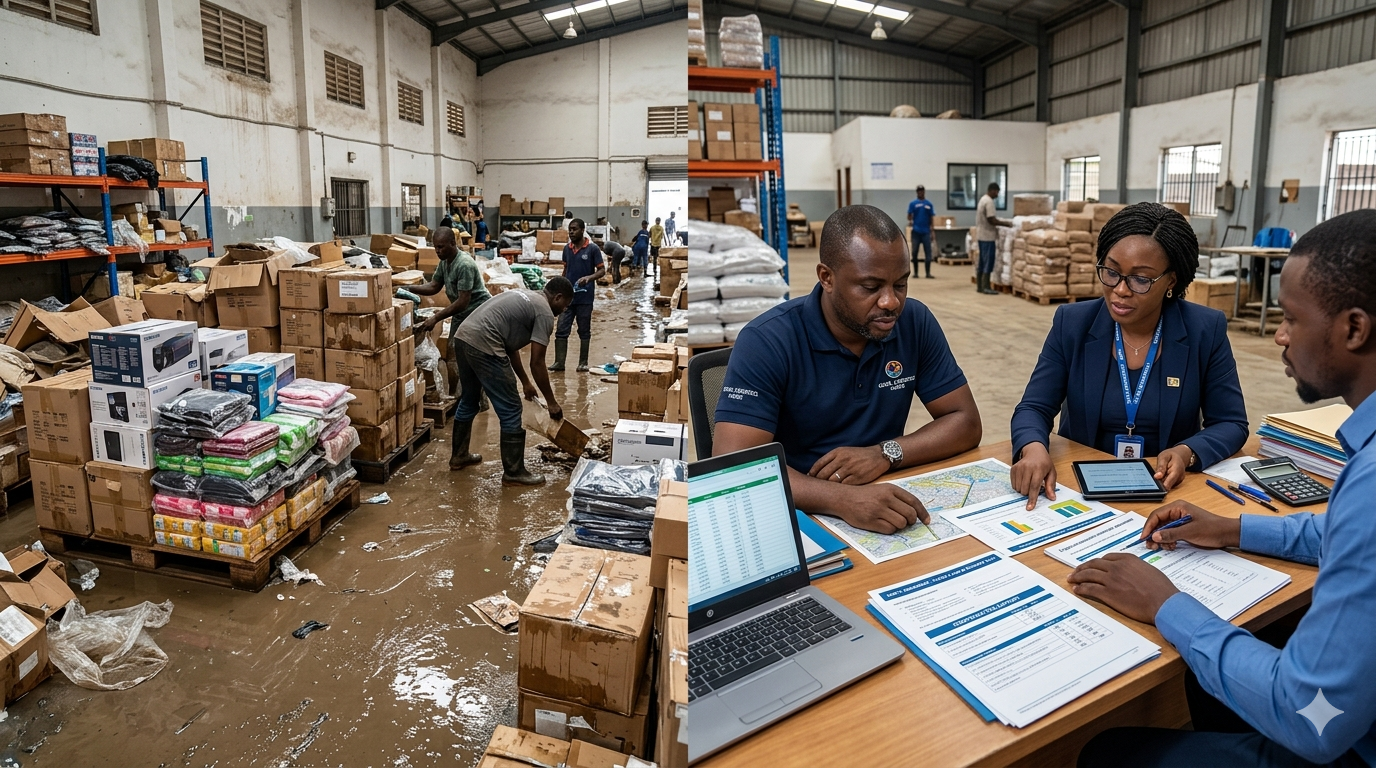
Real Business Scenario: Why Insurance Matters
In 2025, a growing electronics distributor in Lagos reportedly experienced severe flood damage that affected warehouse inventory and temporarily disrupted operations.
Because the company maintained property and interruption coverage, they were able to recover part of their inventory losses and continue business operations during the recovery period.
A nearby uninsured business facing similar damage reportedly struggled financially and later shut down.
This demonstrates an important reality:
SME business insurance in Nigeria does not remove business risks, but it improves operational survival during difficult situations.
Online Businesses, Side Hustles, and Scalable Digital Assets
Many people entering online business in Africa begin with small side hustles, basic apps, online tasks, or beginner monetization platforms.
While these methods can generate starter income, realistic expectations are important.
Most small online income methods do not become sustainable long-term financial systems on their own.
Successful entrepreneurs usually transition toward building scalable digital assets such as:
- Websites and blogs
- YouTube channels
- eCommerce platforms
- Mobile apps
- Audience-based communities
- Digital media brands
The growth process often looks like this:
Beginner income → Learning digital skills → Building assets → Growing traffic → Long-term monetization
That progression is where more consistent income opportunities typically emerge.
Many entrepreneurs now work with development teams like Valspill Team to properly structure monetized websites, apps, and scalable digital systems for long-term revenue generation.
Platforms such as Google Search Central also emphasize the importance of sustainable audience growth, quality content, and proper technical structure for digital businesses.
Insurance and Long-Term Business Growth
Serious investors, lenders, and strategic partners increasingly prefer businesses with structured risk management systems.
Proper SME business insurance in Nigeria can improve:
- Business credibility
- Operational resilience
- Financial stability
- Investor confidence
- Expansion readiness
Some startups focus heavily on funding while ignoring operational protection systems. However, funding alone does not guarantee sustainability. Related article: Startup Accelerator Failure In Africa 2027 (Why Funded Startups Still Collapse).
Tax Compliance and Insurance Documentation
Insurance claims and operational audits often require strong documentation systems.
SMEs should maintain accurate:
- Accounting records
- Tax filings
- Inventory reports
- Supplier agreements
- Employee records
The Federal Inland Revenue Service (FIRS) continues updating compliance requirements affecting Nigerian businesses.
The Future of SME Business Insurance in Africa
The African insurance industry is evolving rapidly.
Several major trends are expected to shape SME business insurance in Nigeria between 2026 and 2027:
- Mobile-first insurance access
- AI-powered risk assessment
- Embedded insurance systems
- Faster digital claims processing
- Cross-border business coverage
- SME-focused insurance products
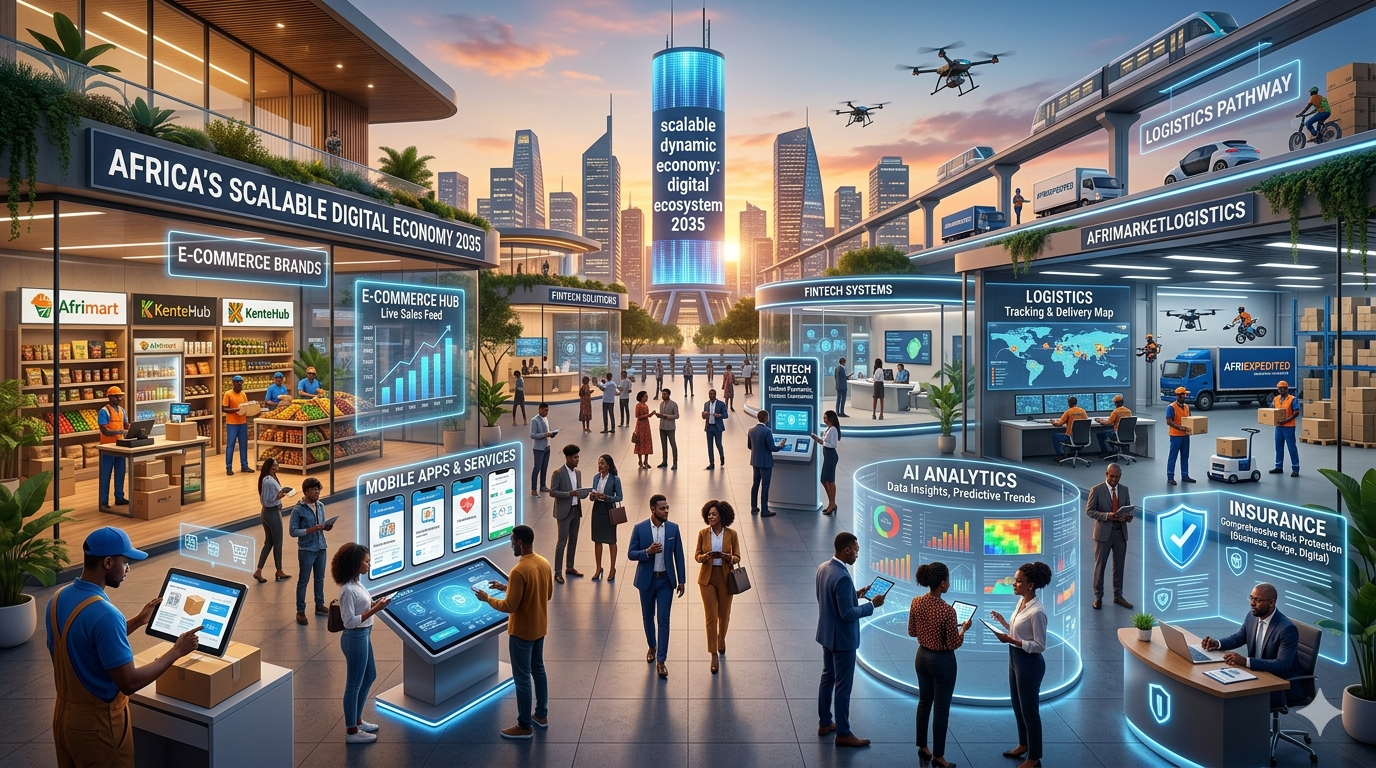
As African businesses continue expanding digitally and regionally, insurance adoption will likely become a standard operational requirement.
Final Thoughts
SME business insurance in Nigeria is no longer something only large corporations should consider.
In today’s business environment, entrepreneurs building serious long-term companies need systems that can survive disruption, reduce operational risk, and support sustainable growth.
While beginner side hustles and small online income methods may help people start learning digital skills, long-term financial stability usually comes from building scalable digital assets and operational systems.
That may include:
- Websites
- Apps
- Digital brands
- YouTube channels
- eCommerce businesses
- Audience-driven platforms
Insurance becomes one important layer within that larger business foundation.
If you are building a business in Nigeria or anywhere across Africa, this is a good time to think beyond short-term profits and begin structuring for long-term protection, resilience, and growth.
Frequently Asked Questions (FAQ)
What is SME business insurance in Nigeria?
SME business insurance in Nigeria refers to insurance policies designed to protect small and medium-sized businesses against risks such as fire, cybercrime, theft, liability claims, and operational disruptions.
Is business insurance mandatory for SMEs in Nigeria?
Some industries require specific insurance coverage legally, while other types of protection remain optional but strongly recommended.
What is the best insurance for online businesses?
Cyber insurance, payment fraud protection, and liability coverage are among the most useful options for online businesses and digital startups.
How much does SME business insurance cost in Nigeria?
Costs vary based on industry, business size, risk exposure, and coverage level. Small businesses may spend between ₦150,000 and ₦500,000 annually for basic coverage.
Can insurance help businesses attract investors?
Yes. Investors and financial institutions often prefer businesses with proper operational protection and risk management systems.
Why is cyber insurance becoming important in Africa?
Cyber attacks targeting SMEs are increasing rapidly as more businesses move online and adopt digital payment systems.