
Company registration cost in Nigeria has become one of the biggest concerns for entrepreneurs in 2026 as hidden fees, processing delays, and unexpected compliance expenses continue to rise. While many new business owners believe registering a company only requires paying a small CAC fee, the reality is very different.
Why Understanding Company Registration Cost in Nigeria Matters
For many startups in Nigeria, the registration stage is the first major financial decision. Making mistakes early can create delays, legal problems, or unnecessary expenses that affect business growth later.
A registered company gives your business legitimacy. It helps you:
- Open a corporate bank account
- Access business loans
- Work with larger clients
- Apply for grants and partnerships
- Build trust with customers
However, many founders only focus on CAC filing fees without preparing for the additional costs attached to the process.

Official CAC Fees in 2026
The Corporate Affairs Commission (CAC) remains the official government agency responsible for business registration in Nigeria.
Here is a realistic breakdown of official CAC-related costs in 2026:
Business Name Registration
- Name Reservation: ₦500 – ₦1,000
- Registration Filing: ₦10,000 – ₦15,000
- Certified Documents: ₦2,000 – ₦5,000
Private Limited Company Registration
- Name Reservation: ₦500 – ₦1,000
- CAC Filing Fee: ₦10,000 – ₦25,000
- Stamp Duty Charges: ₦5,000 – ₦20,000+
- Professional Documentation: Variable
These prices vary depending on your share capital structure and business category.
You can verify official updates directly from the
Corporate Affairs Commission (CAC).
The Hidden Company Registration Cost in Nigeria Most Entrepreneurs Ignore
The biggest financial surprises usually come from hidden costs that many online guides fail to mention.
1. Agent and Consultant Charges
Although CAC allows self-registration, many entrepreneurs still use agents because the process can be confusing for beginners.
Professional service fees often range between:
- ₦10,000 – ₦30,000 for basic agents
- ₦50,000 – ₦150,000+ for legal firms or consultants
This alone can double your total registration cost.
2. Name Rejection Delays
One of the most common hidden expenses comes from rejected business names.
For example, a fashion entrepreneur in Abuja attempted to register “Royal Empire Global Ventures,” but the name was rejected twice due to similarity with existing businesses. The repeated submissions caused delays and additional costs.
3. Documentation Corrections
Errors in shareholder details, addresses, or signatures can require corrections and resubmissions. Many founders pay extra fees just to fix avoidable mistakes.
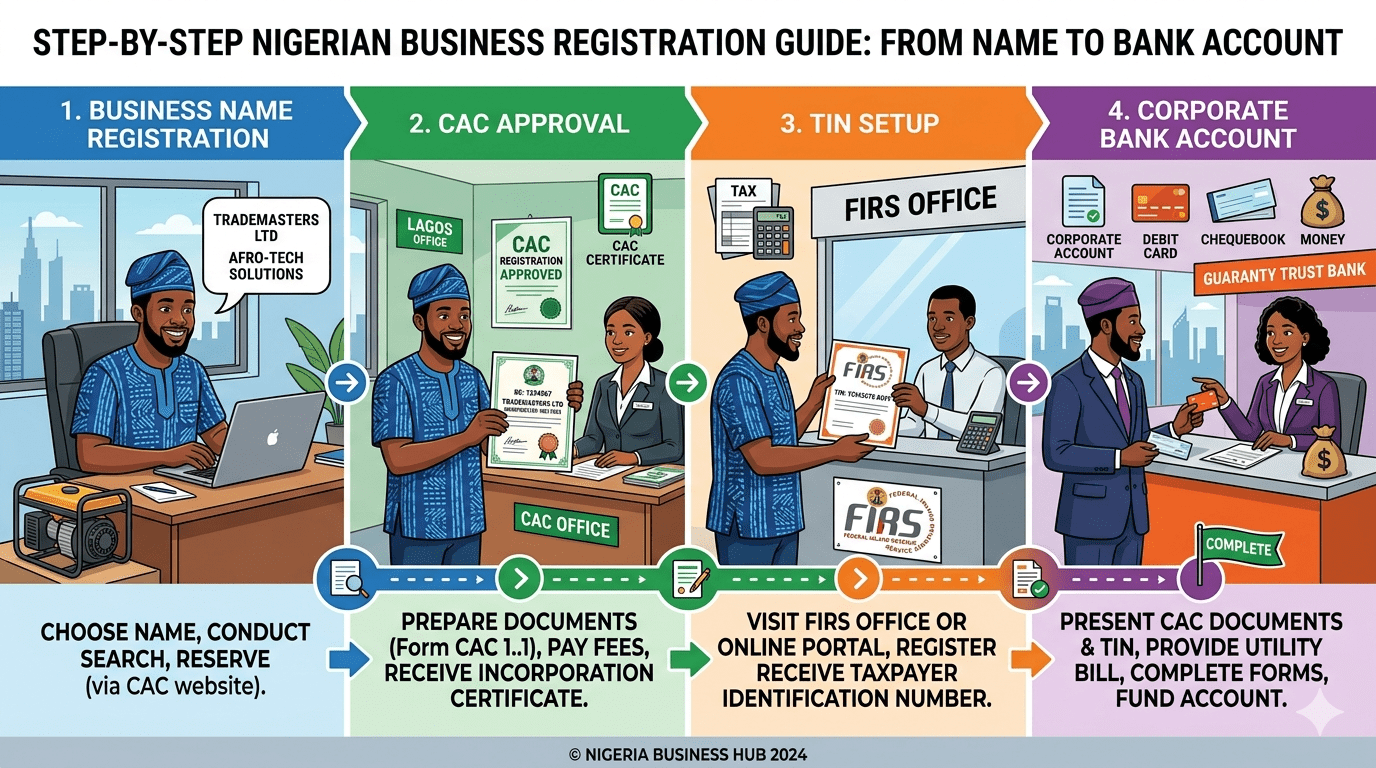
How Long Does Company Registration Take in Nigeria?
Processing speed depends heavily on documentation quality and CAC system workload.
Estimated Processing Time in 2026
- Business Name: 3–7 working days
- Limited Liability Company: 7–14 working days
- NGO Registration: 3–6 weeks
Delays usually happen because of:
- Incorrect document uploads
- Name conflicts
- Portal congestion
- Verification backlog
Many entrepreneurs expecting “24-hour approval” become frustrated when the process extends longer than expected.
Real-Life Scenario: The Hidden Cost Nobody Prepared For
A Lagos-based entrepreneur planned to launch a logistics startup in early 2026. He budgeted ₦35,000 for registration after watching online tutorials claiming the process was cheap.
However, the final cost reached almost ₦110,000 due to:
- Professional legal drafting
- Additional shareholder documentation
- Name resubmission
- Corporate account setup requirements
This situation is more common than many people realize.
Post-Registration Expenses Entrepreneurs Forget
Registering your business is only the beginning. There are ongoing compliance costs that many startups fail to plan for.
Common Post-Registration Costs
- Annual returns filing
- Tax registration
- TIN generation
- Business permits
- Legal compliance updates
Ignoring these obligations may lead to penalties or business restrictions later.

Why Some Entrepreneurs Spend Less Than Others
Successful founders often reduce their company registration cost in Nigeria by planning properly before starting.
Strategies Smart Entrepreneurs Use
- Researching business names beforehand
- Preparing valid identification documents early
- Using CAC self-service options
- Avoiding unnecessary middlemen
- Understanding legal requirements before payment
This preparation saves both money and time.
How Registration Affects Business Funding
Business registration is not just a legal formality. It directly affects access to funding.
Banks, investors, fintech lenders, and grant organizations often require:
- CAC certificate
- TIN number
- Corporate account
- Business documentation
Without these, scaling becomes difficult.
You should also understand how financial institutions evaluate businesses before applying for funding.
Read this related guide:
What Banks Really Look For in a Business Loan Application (Hidden Truths Exposed)
From Small Startup to Scalable Digital Business
Many entrepreneurs focus only on registration but forget the bigger picture: building sustainable systems.
Registering your company creates the legal foundation, but long-term income usually comes from building scalable digital assets such as:
- Websites and blogs
- YouTube channels
- Digital media brands
- Mobile applications
- Online service platforms
Small online earning methods may help beginners learn basic digital skills, but they rarely create stable long-term income alone.
The smarter path is usually:
Beginner Learning → Small Income Opportunities → Digital Asset Building → Long-Term Revenue Scaling
For example, some Nigerian entrepreneurs started with freelance gigs or small online tasks, then gradually built blogs, media pages, or niche websites generating advertising and affiliate income.
The Valspill team helps businesses develop and structure these digital assets properly for sustainable revenue growth instead of depending only on short-term online earnings.

Frequently Asked Questions (FAQ)
How much is company registration cost in Nigeria in 2026?
The average company registration cost in Nigeria ranges from ₦15,000 to over ₦150,000 depending on business type and professional services used.
Can I register my company myself?
Yes. The CAC portal allows entrepreneurs to complete registration independently if they understand the process correctly.
What is the cheapest way to register a business in Nigeria?
Registering a Business Name yourself through CAC is usually the cheapest option.
How long does CAC registration take?
Most registrations are completed within 3–14 working days if documents are accurate.
Are there hidden fees after company registration?
Yes. Entrepreneurs may still face annual filing costs, tax compliance expenses, and banking documentation requirements.
Final Thoughts
Understanding the real company registration cost in Nigeria helps entrepreneurs avoid costly surprises and make smarter business decisions from the beginning.
While official CAC charges may appear affordable, the actual process often includes additional professional fees, compliance costs, delays, and documentation expenses.
The good news is that proper planning can significantly reduce these challenges.
Most importantly, company registration should not be viewed as the final goal. It is simply the foundation for building a credible, scalable, and sustainable business.
Entrepreneurs who think beyond registration and focus on digital assets, systems, branding, and long-term growth usually position themselves far better for future opportunities.
If you are preparing to launch a business in Nigeria, start with realistic expectations, learn the process carefully, and build with long-term sustainability in mind.