How to Write a Blog Post in 30 Minutes
If you’ve ever stared at a blank screen for hours, trying to perfect every sentence, you’re not alone. Many bloggers overthink their content, delaying publishing and stalling growth.
But here’s the reality:
Publishing consistently beats perfect content every time.
Learning how to write a blog post efficiently can transform your blogging journey. In this guide, you’ll discover a step-by-step 30-minute system that boosts traffic, improves SEO, and keeps you publishing regularly in 2026.

How to Write a Blog Post in 30 Minutes
Why Learning How to Write a Blog Post Quickly Matters
Most new bloggers think spending hours on a single article is necessary. But research shows that blog consistency drives traffic more than over-polishing.
Here’s the math:
- Spending 5 hours per post → 10 posts/month
- Spending 30 minutes per post → 60 posts/month
That’s a sixfold increase in content output.
More posts mean:
- More indexed pages
- More ranking opportunities
- Faster traffic growth
If you want to understand how content structure affects long-term results, check out How to Structure a Blog for Long-Term Traffic and Income.
Mindset Shift: Done Beats Perfect
One of the hardest lessons is overcoming perfectionism. Many beginners hesitate to publish, fearing their content isn’t “good enough.”
The reality is:
- Readers care about clarity, not perfection
- 80% of a post’s value comes from the first 20% of effort
- Speed allows you to learn faster, iterate faster, and grow your audience
If you’re still doubting, see this guide: Shocking Truth About Starting a Blog in 2026 (Beginner Reality Check).
The 30-Minute System to Write a Blog Post
Here’s the step-by-step blueprint to produce high-quality posts quickly. Set a timer and follow each phase.
Phase 1 (0–5 Minutes): Quick Outline
Never start with a blank page.
- Choose a familiar topic
Example: “How to train a puppy,” “How to start a blog,” or “How to cook a quick meal.” - Create a simple outline
- Title
- Hook (Problem statement)
- 3–5 key points (H2/H3s)
- Conclusion
Example Outline:
Title: How to Train a Puppy Quickly
- Hook: Puppy training feels overwhelming
- H2: Crate training basics
- H2: Feeding schedule
- H2: Positive reinforcement
- Conclusion: Stick to a routine
Phase 2 (5–20 Minutes): Brain Dump
Write without editing. Let your ideas flow.
- Don’t stop for grammar or research
- Use placeholders for links or stats:
[ADD STAT HERE] - Focus on getting all key points on the page
This is the fastest way to write a blog post while keeping your ideas intact.
If you want traffic quickly, follow this approach outlined in How to Get 1000 Blog Visitors in 30 Days: 2026 Proven Blueprint.

How to Write a Blog Post in 30 Minutes
Phase 3 (20–27 Minutes): Fast Editing
Switch to editor mode.
Checklist:
- Fix grammar and typos (use tools like Grammarly)
- Remove unnecessary sentences
- Fill placeholders with real data
- Trim long paragraphs
Write the introduction last: it’s easier once you know exactly what you’ve written.
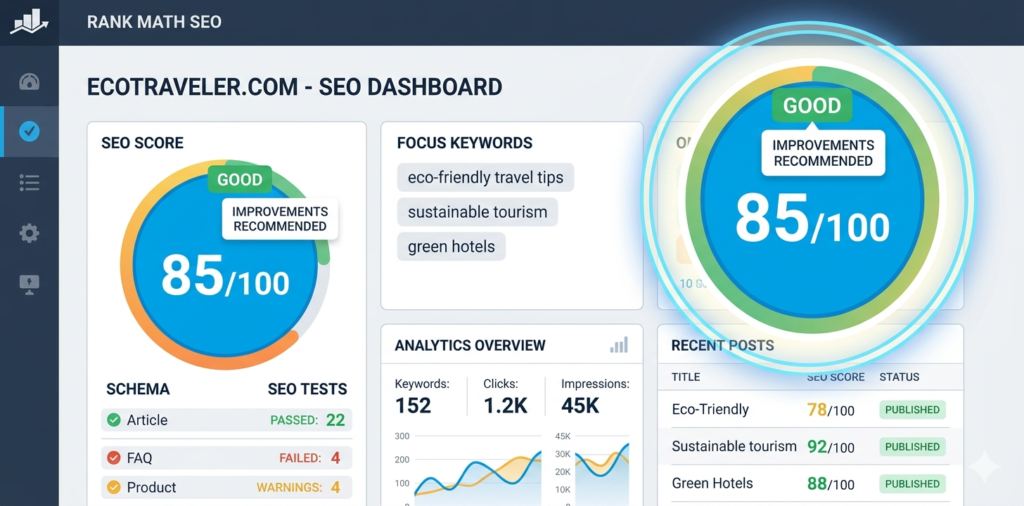
Phase 4 (27–30 Minutes): Format & SEO Optimization
Now make it visually appealing and search-friendly:
- Short paragraphs
- Bullet points for lists
- Bold key takeaways
- Include your focus keyword in at least one H2/H3
Optimize for SEO with tools like Rank Math SEO.
How to Write a Blog Post in 30 Minutes
Advanced Hacks to Write Blog Posts Even Faster
1. Voice Typing
- Speak instead of typing
- 140 words/minute vs. 50 words/minute typing
- Tools: Google Docs Voice Typing

How to Write a Blog Post in 30 Minutes
2. Use Templates
Create reusable post structures:
- Intro hook
- H2 + explanation + bullets
- H2 + explanation + bullets
- Conclusion
Templates reduce mental load and speed up writing.
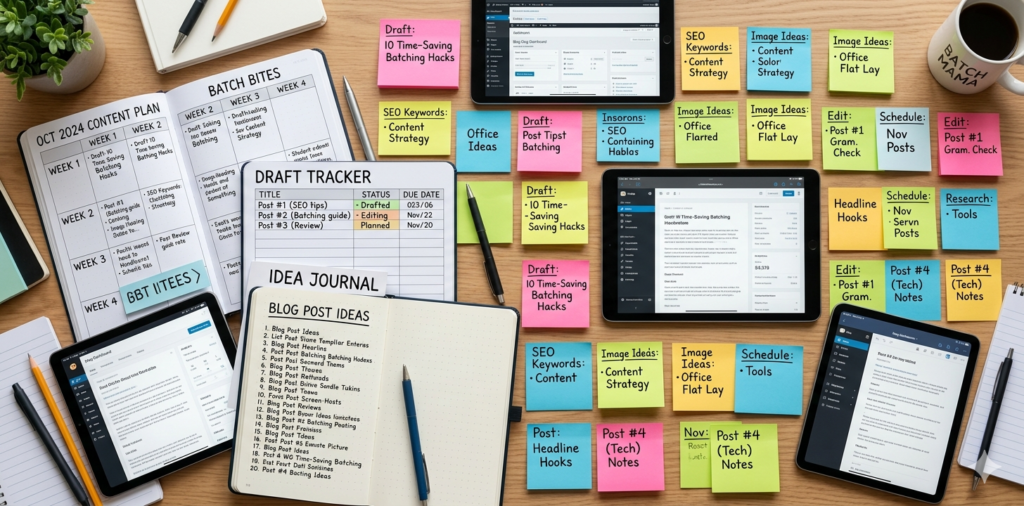
3. Batch Tasks
- Outline multiple posts in one session
- Write all posts in the next
- Edit and optimize later
Batching boosts productivity significantly.
For understanding monetization timelines, check: How Long Does It Take to Make Money Blogging? The Honest Timeline (2026 Guide).
How to Write a Blog Post in 30 Minutes
Monetization: Why Fast Writing Leads to More Income
Faster content production means more opportunities to monetize:
- More posts → more traffic → more ad impressions
- Lower time cost → higher ROI
If you’re starting from zero traffic, check this guide: How to Monetize a New Blog With Little or No Traffic: 7 Proven 2026 Methods.

How to Write a Blog Post in 30 Minutes
Overcoming Psychological Barriers
1. “It’s Not Good Enough”
Remember: what feels basic to you is often valuable to your audience.
2. “I Don’t Want to Show My Face”
You can succeed anonymously. See How To Create Faceless Blogging In 2026: I Tried It for 30 Days (Shocking Truth).
3. Writer’s Block
- Outline before writing
- Skip difficult sections
- Keep writing to maintain flow
Frequently Asked Questions (FAQ) On How to Write a Blog Post in 30 Minutes
1. Can I really write a blog post in 30 minutes?
Yes! Using the 30-minute system, you can create a quality post quickly. The key is preparing a clear outline, doing a brain dump, and editing efficiently. Even beginners can reach 800–1,500 words once they practice consistently.
For a deeper traffic strategy while speed-writing, see How to Get 1000 Blog Visitors in 30 Days: 2026 Proven Blueprint.
2. How long should my blog post be?
- Quick posts: 800–1,200 words
- Detailed posts: 1,500+ words
Length isn’t as important as solving your reader’s problem clearly.
3. Will Google penalize fast-written content?
No. Google rewards helpful, clear, and actionable content. The speed at which you write doesn’t matter as long as your post answers the user’s query.
For understanding long-term SEO growth, check How to Structure a Blog for Long-Term Traffic and Income.
4. Can I monetize fast-written posts?
Absolutely! More posts = more traffic = more monetization opportunities. Even posts written in 30 minutes can earn via AdSense, affiliate marketing, or sponsored content.
For beginners, see How to Monetize a New Blog With Little or No Traffic: 7 Proven 2026 Methods.
5. Do I need to show my face to run a blog?
No. Many bloggers use faceless strategies successfully. This allows you to focus purely on content creation without personal exposure.
Check How To Create Faceless Blogging In 2026: I Tried It for 30 Days (Shocking Truth) for a real-world example.
6. What tools help me write faster?
- Grammarly: Quick grammar fixes (Grammarly)
- Google Docs Voice Typing: Dictate posts for speed (Google Docs)
- Rank Math SEO: Optimize for search engines quickly (Rank Math)
These tools reduce editing time and improve SEO while keeping posts readable.
7. How do I stay focused when speed writing?
- Set a timer (use the 30-minute blueprint)
- Outline before writing
- Use placeholders for stats and links instead of stopping
- Avoid multitasking
8. What if I get stuck mid-post?
Skip the difficult section and move to the next H2/H3. You can always refine transitions during the 7-minute editing phase. Momentum is key.
9. Can I outsource parts of the writing process?
Yes. You can outsource research, graphics, or even first drafts—but keep editing and your personal voice for authenticity. Outsourcing can help scale your posting frequency further.
10. How do I maintain high SEO scores while speed-writing?
- Include the focus keyword in the title, subheading, first paragraph, and image alt text
- Use short paragraphs, bullet points, and bold key takeaways
- Add internal links to related posts and external authority links
Following these steps keeps Rank Math scores at 97+ and makes posts AdSense-ready.
Final Thoughts: Stop Overthinking and Start Publishing
The biggest mistake is waiting for perfection. Growth comes from action, not planning.
30-Minute Blog Post System Recap:
- 5 minutes → Outline
- 15 minutes → Write
- 7 minutes → Edit
- 3 minutes → Format & optimize
Set a timer. Write your first post. Done beats perfect every time.

How to Write a Blog Post in 30 Minutes