Many dog owners discover their Labrador or Golden Retriever sneaking into the cat’s food bowl and wonder if they’ve just created an emergency. Fortunately, a few bites of cat food rarely harm a healthy dog—but feeding it regularly can increase the risk of obesity, digestive problems, and even pancreatitis.
Many pet owners discover their dog eating from the cat’s bowl and immediately wonder whether they should be concerned. Fortunately, most healthy dogs recover without any serious issues after eating a small amount of cat food. However, understanding why dogs are attracted to it and when it becomes dangerous can help you avoid future health problems.
This guide explains can dogs eat cat food, the nutritional differences between dog and cat food, potential health risks, situations where emergency veterinary care is necessary, and the best alternatives for keeping your dog healthy.
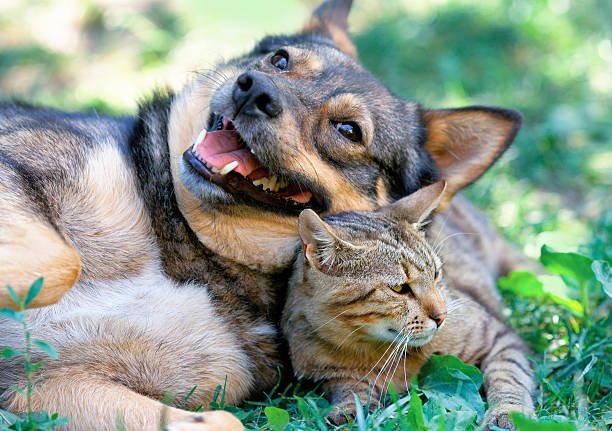
Can Dogs Eat Cat Food?
If you’re asking can dogs eat cat food, the short answer is yes—but only occasionally. A few bites usually won’t cause lasting harm to a healthy adult dog. The concern begins when cat food replaces regular dog food or is eaten frequently over weeks or months.
Cat food contains much higher levels of animal protein and fat because cats are obligate carnivores. Dogs, on the other hand, are omnivores that thrive on a more balanced combination of animal proteins, carbohydrates, healthy fats, vitamins, and minerals. Feeding cat food regularly gives dogs nutrients in proportions that don’t match their long-term dietary needs.
For example, imagine a Labrador that sneaks into the laundry room every evening to finish the family cat’s dinner. Nothing unusual may happen during the first few days. After several weeks, however, the dog may begin gaining weight, experience loose stools, or develop digestive discomfort because of the richer food.
According to the American Veterinary Medical Association (AVMA) and the VCA Animal Hospitals, dogs should receive complete and balanced nutrition formulated specifically for their life stage and size.
Why Dogs Love Cat Food
Many owners are surprised by how determined dogs become when cat food is nearby. The reason is simple—cat food is designed to be highly appealing.
Most commercial cat foods contain:
- Higher amounts of meat-based protein.
- More fat than standard dog food.
- Stronger aromas that attract pets.
- Rich flavors designed for picky feline eaters.
To a dog, this combination can seem more exciting than its normal meals, even if its regular food already meets all nutritional needs.
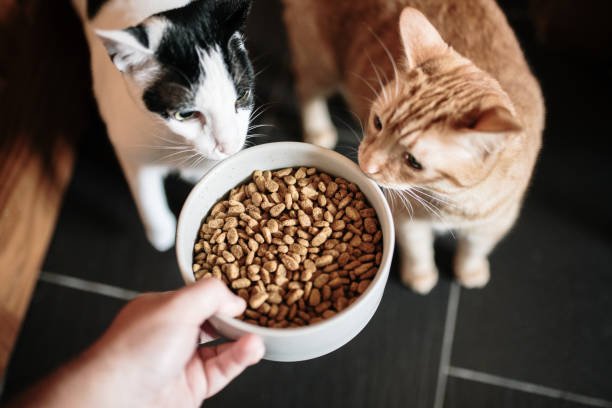
What’s the Difference Between Dog Food and Cat Food?
Although they may look similar, dog food and cat food are developed to meet very different nutritional requirements.
| Feature | Dog Food | Cat Food |
|---|---|---|
| Protein | Moderate levels | Significantly higher levels |
| Fat | Balanced | Higher fat content |
| Calories | Moderate energy | More calorie-dense |
| Taurine | Usually not added in high amounts | Essential ingredient |
| Designed For | Omnivores | Obligate carnivores |
These differences explain why a diet suitable for cats is not appropriate for dogs over the long term.
What Happens If a Dog Eats Cat Food?
The outcome depends on several factors, including your dog’s size, overall health, and how much cat food was eaten.
If Your Dog Eats a Small Amount
Most healthy adult dogs experience no serious problems after eating a small serving of cat food. At worst, they may develop mild stomach upset that resolves within a day.
Possible temporary symptoms include:
- Soft stools
- Mild diarrhea
- Gas
- Vomiting once or twice
- Temporary loss of appetite
Simply monitor your dog, provide fresh water, and return to its regular diet unless symptoms become severe.
If Your Dog Eats Cat Food Frequently
Regularly eating cat food is a different situation. Because it contains more fat and calories, repeated consumption can increase the risk of health problems.
Potential complications include:
- Weight gain and obesity.
- Digestive disturbances.
- Pancreatitis in susceptible dogs.
- Nutritional imbalance over time.
- Reduced interest in regular dog food.
Small breeds, senior dogs, and dogs with existing digestive conditions are often more sensitive to these changes.
Can Puppies Eat Cat Food?
Puppies should not be fed cat food as a regular meal. Even though puppies require more protein and calories than adult dogs, they also need carefully balanced levels of calcium, phosphorus, vitamins, and other nutrients that support healthy growth. Puppy food is specifically designed to provide these nutrients in the correct proportions.
If a puppy accidentally eats a small amount of cat food once, serious problems are unlikely. However, repeated feeding can interfere with proper nutrition and should be avoided.
Can Senior Dogs Eat Cat Food?
Older dogs generally benefit from diets that are easier to digest and appropriately balanced for aging bodies. Cat food’s higher fat content may place additional strain on senior dogs, particularly those with kidney disease, liver disease, pancreatitis, or obesity.
If an older dog suddenly refuses its normal food, consult a veterinarian before offering cat food as an alternative.
When Can Cat Food Become Dangerous for Dogs?
Although most healthy dogs recover after eating a small amount of cat food, certain situations require extra caution. Dogs with existing medical conditions or those that consume large quantities may develop more serious complications.
The risk is higher if your dog has:
- A history of pancreatitis.
- Diabetes.
- Obesity.
- Chronic digestive disorders.
- Liver or kidney disease.
- Food allergies or sensitivities.
Because cat food contains more fat than dog food, it may trigger digestive flare-ups in dogs that already have these conditions.
What Should You Do If Your Dog Eats Cat Food?
If your dog manages to eat your cat’s food, don’t panic. In most cases, you simply need to monitor your pet for any unusual symptoms during the next 24 hours.
Below are the steps you should take if Your Dog Eats Cat Food:
1. Estimate How Much Was Eaten
Knowing whether your dog ate a few bites or an entire bowl helps determine the level of concern.
How to Do It
- Check how much food was left in the bowl.
- Consider your dog’s size and weight.
- Remember whether your dog has any existing medical conditions.
2. Watch for Digestive Symptoms
Many dogs show no symptoms at all, while others experience mild digestive upset.
Watch for:
- Vomiting.
- Diarrhea.
- Loss of appetite.
- Excessive thirst.
- Lethargy.
- Abdominal discomfort.
If these symptoms are mild and disappear quickly, your dog will usually recover without treatment.
3. Offer Plenty of Fresh Water
Fresh drinking water helps your dog stay hydrated, especially if mild vomiting or diarrhea develops.
How to Do It
- Refill the water bowl.
- Encourage small drinks throughout the day.
- Avoid forcing your dog to drink.
4. Return to Regular Dog Food
Resume your dog’s normal feeding schedule instead of continuing to offer cat food.
Changing back to a balanced dog diet helps restore normal digestion and prevents nutritional imbalances.
Signs You Should Contact a Veterinarian
Although emergencies are uncommon, some symptoms should never be ignored.
Seek veterinary advice if your dog develops:
- Repeated vomiting.
- Severe diarrhea lasting more than 24 hours.
- Bloated or painful abdomen.
- Difficulty standing or walking.
- Extreme weakness.
- Blood in vomit or stool.
- Persistent refusal to eat.
According to the ASPCA, early veterinary care gives pets the best chance of recovering from serious digestive illnesses.
Can Eating Cat Food Cause Pancreatitis?
Yes, it can in some dogs. Pancreatitis is inflammation of the pancreas and is often associated with consuming high-fat foods. Since cat food generally contains more fat than dog food, repeated consumption or eating a large amount at once may increase the risk in susceptible dogs.
Dogs with previous episodes of pancreatitis should avoid cat food completely unless a veterinarian specifically recommends otherwise.
Can Dogs Live on Cat Food?
No. Even if your dog enjoys eating cat food, it should never replace a complete dog diet.
Over time, feeding cat food as the main source of nutrition may lead to:
- Excess weight gain.
- Digestive problems.
- Poor nutritional balance.
- Increased risk of chronic health conditions.
Commercial dog foods are formulated to meet standards established for canine nutrition and remain the healthiest long-term choice.
Why Some Dogs Prefer Cat Food
Many owners worry that their dog suddenly prefers cat food because something is wrong with its regular food. In reality, dogs are often attracted to cat food simply because it smells richer and contains more animal protein and fat.
For example, a Border Collie that ignores its own kibble may eagerly rush toward the cat’s bowl—not because its food is poor quality, but because cat food has a stronger aroma that naturally attracts many dogs.
How to Stop Your Dog from Eating Cat Food
Preventing access is much easier than dealing with repeated digestive problems.
1. Feed Pets in Separate Areas
Keeping your cat’s feeding station away from your dog reduces temptation.
2. Pick Up Food Bowls After Meals
Leaving food available throughout the day makes it easier for curious dogs to sneak extra meals.
3. Use Elevated Feeding Stations
Placing the cat’s bowl on a sturdy shelf or cat tree allows most cats to eat comfortably while preventing access for dogs.
4. Teach the “Leave It” Command
Basic obedience training can help many dogs learn to ignore food that doesn’t belong to them.
Healthy Alternatives If Your Dog Seems Hungry
If your dog constantly tries to steal cat food, consider healthier options instead of allowing the behavior to continue.
Suitable alternatives include:
- High-quality dog treats.
- Vet-approved dental chews.
- Fresh carrots.
- Green beans.
- Apple slices without seeds.
- Dog-safe puzzle feeders for mental stimulation.
How to Feed Your Dog a Healthy, Balanced Diet
The best way to keep your dog healthy is to feed a complete and balanced diet designed specifically for its age, breed size, activity level, and overall health. While an occasional bite of cat food is usually harmless, relying on it regularly can create nutritional imbalances over time.
To support your dog’s long-term health:
- Choose high-quality dog food that meets recognized nutritional standards.
- Feed the recommended portion based on your dog’s weight and age.
- Provide fresh, clean drinking water at all times.
- Limit treats to no more than 10% of your dog’s daily calories.
- Schedule regular veterinary checkups to monitor weight and overall health.
Common Myths About Dogs Eating Cat Food
1. Cat Food Is Better Because It Has More Protein
Fact: Dogs need balanced nutrition—not simply more protein. Excess protein and fat aren’t necessarily healthier and may contribute to digestive issues in some dogs.
2. If My Dog Likes Cat Food, It Must Be Better
Fact: Dogs are naturally attracted to foods with stronger smells and richer flavors. Preference doesn’t mean it’s the healthiest choice.
3. Dogs Can Eat Cat Food Every Day Without Problems
Fact: Daily feeding may increase the risk of obesity, stomach upset, and nutritional imbalances over time.
4. One Bowl of Cat Food Is Always an Emergency
Fact: Most healthy adult dogs experience little or no harm after eating a small amount. Monitoring for symptoms is usually all that’s required unless your dog has underlying health conditions.
Frequently Asked Questions On Can Dogs Eat Cat Food?
Can dogs eat cat food every day?
No. Cat food is not formulated to meet a dog’s long-term nutritional needs and should not replace balanced dog food.
Can puppies eat cat food?
An occasional small bite is unlikely to cause harm, but puppies should be fed complete puppy food that supports healthy growth and development.
What happens if my dog eats an entire bowl of cat food?
Many healthy dogs develop only mild digestive upset, but some may experience vomiting, diarrhea, or stomach discomfort. Contact your veterinarian if symptoms become severe or persistent.
Why does my dog prefer cat food?
Cat food usually contains more protein and fat, giving it a stronger aroma and richer taste that many dogs find highly appealing.
Can cat food make dogs gain weight?
Yes. Because cat food is generally higher in calories and fat, frequent consumption may contribute to unhealthy weight gain.
Can senior dogs safely eat cat food?
Older dogs are often more sensitive to high-fat foods. Unless advised by your veterinarian, it’s best to feed them a diet designed specifically for senior dogs.
When should I call a veterinarian?
Seek veterinary care if your dog experiences repeated vomiting, severe diarrhea, abdominal pain, weakness, bloating, or refuses food after eating cat food.
Final Thoughts On Can Dogs Eat Cat Food
If you’ve been asking can dogs eat cat food, the answer is yes—but only occasionally and in small amounts. While a few bites are unlikely to harm a healthy dog, regular feeding can lead to digestive problems, excess weight gain, and nutritional imbalances because cat food is formulated for the unique needs of cats, not dogs.
If your dog accidentally eats cat food, stay calm, monitor for unusual symptoms, and return to its normal diet. Most dogs recover without any complications, but pets with existing health conditions or those showing severe symptoms should be examined by a veterinarian promptly.
Keeping cat food out of your dog’s reach, feeding a balanced canine diet, and scheduling routine veterinary checkups are the best ways to support your pet’s long-term health.
Share Your Experience
Has your dog ever helped itself to the cat’s food? Did it experience any symptoms, or did everything return to normal? Share your experience in the comments below. Your story may help other pet owners understand what to expect and when it’s time to seek veterinary advice.