How to Structure a Blog for Long-Term Traffic and Income
In 2026, starting a blog is easier than ever, but building one that generates consistent traffic and income for years is much more challenging. Randomly writing posts without a plan often leads to low traffic and no income. According to several SEO studies, blogs that organize content into topic clusters and pillar pages can see significant improvements in search visibility and internal link equity over time. The key difference between a hobby blog and a profitable blog is structure.
Understanding how to structure a blog for long-term traffic and income ensures that every post contributes to your growth. In this guide, we will cover real examples, proven strategies, internal and external linking, SEO optimization, monetization techniques, and even anecdotal lessons from top bloggers.
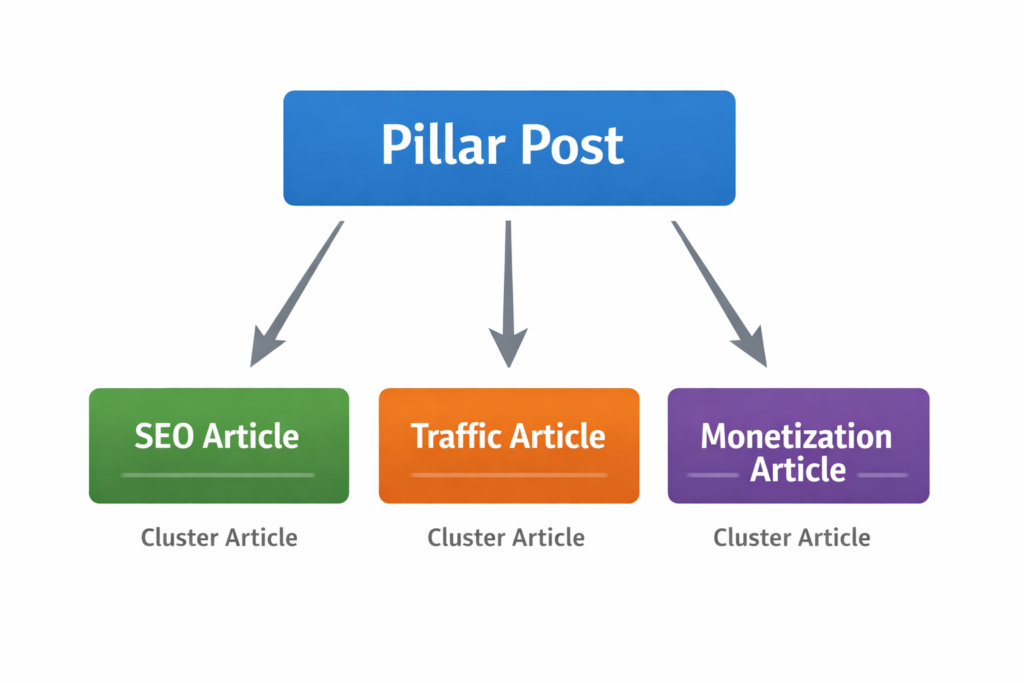
How to Structure a Blog for Long-Term Traffic.
Why Blog Structure Determines Long-Term Success
Imagine building a house without a blueprint. The walls might go up, but the structure will collapse under stress. Blogs are no different. You can publish many posts, but without the right blog structure, Google won’t understand your authority, readers will get lost, and monetization opportunities will be missed.
A structured blog ensures:
- Higher search engine rankings
- Improved user experience
- Stronger authority on your niche
- More monetization opportunities
Example:
Research from SEO platforms like Ahrefs and HubSpot shows that websites with strong internal linking and clear content structures tend to perform better in organic search because search engines can understand topic relationships more easily.
Case Study Example
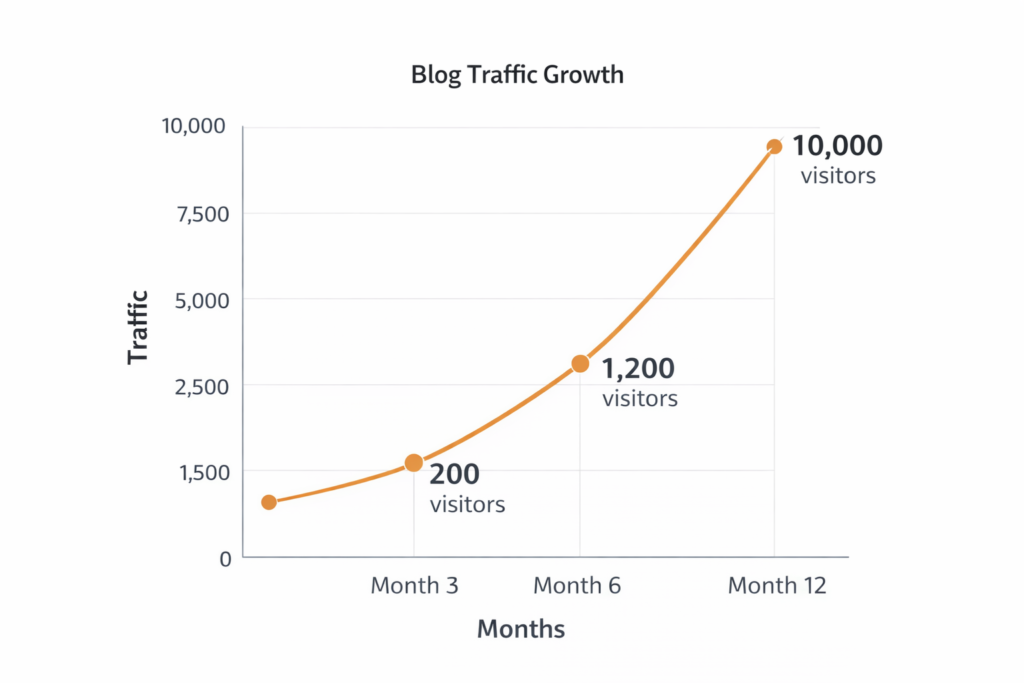
A small blogging website reorganized its content into a pillar and cluster structure after publishing over 100 scattered posts.
Before restructuring:
- 120 blog posts
- ~1,300 monthly visitors
- Very few internal links
After restructuring:
- Created pillar pages
- Added internal links between related posts
- Grouped posts into clear categories
Within 7 months, organic traffic increased to around 18,000 monthly visitors.
Step 1: Choose a Profitable and Evergreen Niche
Before you can structure your blog effectively, you need a niche with:
- High search demand
- Monetization potential
- Evergreen topics
Examples of profitable niches in 2026:
- Blogging & Content Creation
- Personal Finance
- Health & Fitness
- Technology & SaaS
- Digital Marketing
You can read Best Blogging Niches in 2026 (7 Profitable Niches That Can Make You $1,000+/Month) to learn how choosing the right niche sets the foundation for long-term traffic and consistent income.
Step 2: Build Pillar Content (Foundation of Traffic)
Pillar content is the cornerstone of a successful blog. Each pillar post is a comprehensive guide targeting a broad keyword or topic.
Example Pillar Topics
- Complete Guide to Blogging for Beginners
- SEO Fundamentals for New Bloggers
- Affiliate Marketing Blueprint
Pillar posts:
- Usually 3,000–6,000 words
- Updated regularly
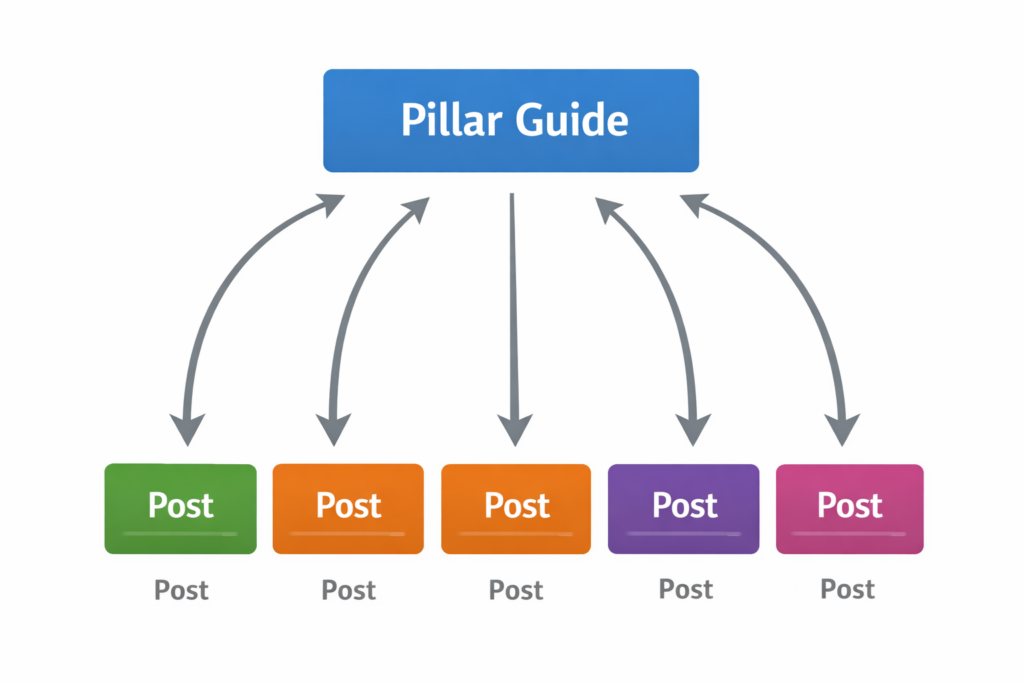
- Serve as hubs linking to multiple cluster articles
- Help Google recognize your topic authority
Supporting Cluster Articles
- How to Start a Blog Step by Step in 2026 (Beginner’s Guide to Launch & Grow Fast)
- SEO for Beginners: 7 Proven Steps to Get 1,000 Blog Visitors Fast
- Beginner Blogging Mistakes That Kill Traffic (2026 Guide)
- How to Write SEO Blog Posts That Rank on Google: 9 Proven Secrets for Massive Traffic
Each cluster article links back to the pillar post, strengthening your blog structure for long-term traffic and income.
Step 3: Limit Categories for Clear Navigation
Many beginners create too many categories, confusing both readers and search engines. A strong blog structure for long-term traffic and income uses 5–8 main categories.
Example Category Structure:
- Blogging
- SEO
- Affiliate Marketing
- Online Business
- Content Marketing
Each category acts as a content silo, grouping related articles together to boost SEO.
Step 4: Create a ‘Start Here’ Page
A Start Here page is crucial for guiding new visitors through your blog.
Sections to include:
- Beginner Guides: How to Start a Blog Step by Step in 2026 (Beginner’s Guide to Launch & Grow Fast)
- Traffic Guides: SEO for Beginners: 7 Proven Steps to Get 1,000 Blog Visitors Fast
- Growth Guides: How to Get 100 Blog Visitors in 30 Days: The Proven Step-by-Step Blueprint
This page becomes one of your most visited pages and strengthens your internal linking structure.
Step 5: Internal Linking Strategy
Internal linking is essential for how to structure a blog for long-term traffic and income. Proper links help Google understand relationships between posts and distribute authority.
Linking Formula:
- Link to one pillar article
- Link to 2–3 related articles
- Link to a beginner guide
Example Links:
- Why My Blog Gets No Traffic: 8 Mistakes I Made
- Beginner Blogging Mistakes That Kill Traffic (2026 Guide)
- How to Write SEO Blog Posts That Rank on Google: 9 Proven Secrets for Massive Traffic
According to Ahrefs, internal linking helps search engines understand your website structure and discover new pages, while also passing authority between pages to improve rankings.
Step 6: Mix Content Types for Sustainable Traffic
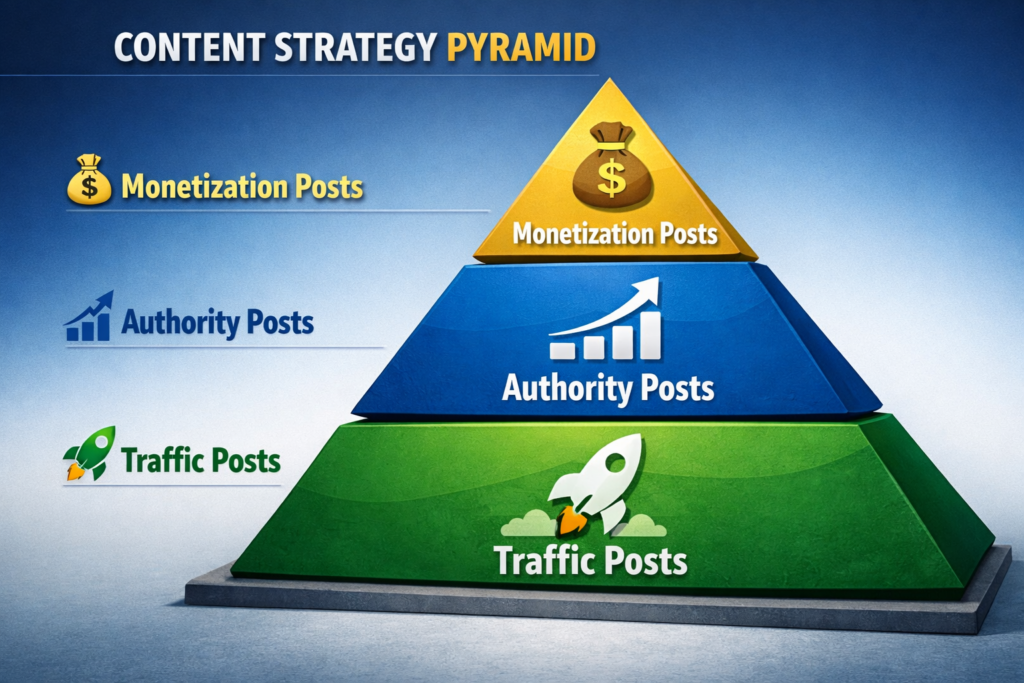
A strong blog structure for long-term traffic and income includes multiple types of content:
1. Traffic Posts
High search volume articles like:
- How to Start a Blog Step by Step in 2026 (Beginner’s Guide to Launch & Grow Fast)
- Best Blogging Platforms
2. Authority Posts
Long, detailed guides:
3. Monetization Posts
Affiliate or review articles:
- Email marketing tool comparisons
- Web hosting reviews
4. Problem-Solving Posts
Answer long-tail questions:
- Why My Blog Gets No Traffic: 8 Mistakes I Made
- Beginner Blogging Mistakes That Kill Traffic (2026 Guide)
This mix ensures steady traffic and income.
Step 7: Optimize for Search Engines
Key SEO practices for how to structure a blog for long-term traffic and income:
- Use focus keyword in title, URL, meta description, H2/H3 headings
- Use the keyword in first 100 words
- Optimize images with keyword as alt text
- Include internal and external links
- Aim for keyword density 0.97%
- Write 2,500–4,500 words per pillar post
Alt text examples for images:
- how to structure a blog for long-term traffic and income diagram
- blog content silo example for long-term traffic
- growth chart showing blog traffic increase
- evergreen blog content strategy illustration
Step 8: Layout and Monetization
Navigation menu:
- Home
- Start Here
- Blog
- Resources
- About
- Contact
Resources Page
Many bloggers earn 40–60% of affiliate income from a Resources page listing:
- Hosting platforms
- SEO tools
- Email marketing platforms
- Blogging plugins
Designing a blog with monetization in mind strengthens income potential.
Step 9: Publish Consistently and Update Old Posts
Consistency is key:
- 10 articles → 100 visitors/month
- 30 articles → 800 visitors/month
- 60 articles → 3,000 visitors/month
- 100 articles → 10,000+ visitors/month
Update old articles every 6–12 months to maintain traffic:
- Update screenshots
- Add new stats
- Include new internal links
- Improve SEO headings
Many bloggers report traffic improvements after updating old content.
Frequently Asked Questions (FAQ) On How to Structure a Blog for Long-Term TraffiC
1. What is the best blog structure for long-term traffic?
Use pillar posts with supporting cluster articles, 5–8 main categories, consistent internal linking, and evergreen content to build authority and maintain steady traffic.
2. How many posts are needed to get consistent traffic?
Typically 50–100 high-quality, optimized posts are needed. Pillar posts with 3–6 cluster articles each accelerate authority and traffic growth.
3. How long does it take to earn income from a blog?
Most blogs begin generating income within 6–12 months when combining traffic growth, SEO, and monetization strategies. Learn more here: How Long Does It Take to Make Money Blogging? (Realistic 2026 Timeline With Real Numbers)
4. Can beginners create a successful blog?
Yes. Following a structured plan with pillar content, clusters, internal linking, and consistent publishing increases chances of traffic and income growth.
5. Why is internal linking important?
Internal links help Google understand your site structure, distribute page authority, and increase visitor retention by guiding readers to related content.
6. How often should I update old blog posts?
Update every 6–12 months. Refresh stats, screenshots, SEO headings, and internal links to maintain or improve traffic.
7. What types of content should I create for long-term traffic?
- Traffic posts – High search volume articles
- Authority posts – Comprehensive, in-depth guides
- Monetization posts – Affiliate or review content
- Problem-solving posts – Answer reader questions
A mix ensures sustainable traffic and income.
Example of Structured Blog Growth
Many successful blogs follow a similar structure:
- 5–8 core categories
- Pillar guides targeting broad keywords
- 3–6 supporting cluster posts per topic
- consistent internal linking
Over time, this structure helps blogs build topical authority and attract steady organic traffic from search engines.
Final Thoughts
Learning how to structure a blog for long-term traffic and income is the difference between a hobby blog and a successful, revenue-generating blog. By implementing:
- Pillar content
- Topic clusters
- Internal linking
- Evergreen content
- Monetization strategies
- Consistent publishing and updates
You can create a blog that continuously attracts visitors, builds authority, and generates income for years.
Start your blogging journey with: How to Start a Blog Step by Step in 2026 (Beginner’s Guide to Launch & Grow Fast)
Every article you write will then contribute to a structured ecosystem designed for sustainable traffic and income.