🌕 Introduction: A New Space Race Is Already Here
For decades, humanity has looked up at the Moon with unfinished business. Since 1972, no human has set foot on its surface. But that long pause is ending.
With the SpaceX launch schedule accelerating and NASA’s Artemis program pushing forward, we are now closer than ever to seeing astronauts walk on the Moon again.
This isn’t just another space mission—it’s a turning point in human history.
If you’re someone who follows innovation, you might also enjoy reading about financial and tech trends shaping the future, like 👉 How to Build Wealth in 2026: The Ultimate Blueprint for Financial Freedom.
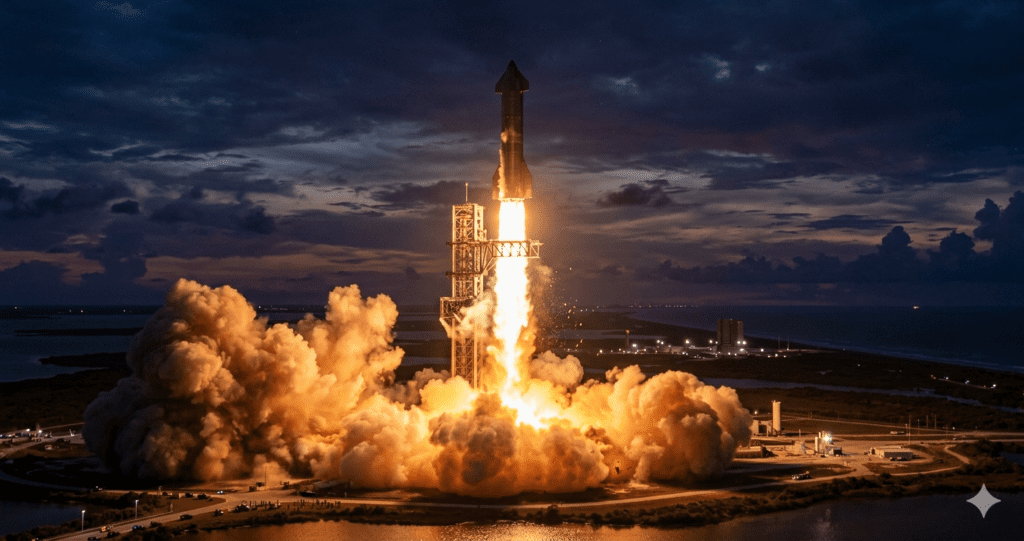
🚀 SpaceX Launch Schedule 2026: What’s Happening Right Now
🚀[Click here to get the real date of SpaceX launching date]
The SpaceX launch schedule in 2026 is one of the busiest in history. Unlike traditional space programs, SpaceX operates with rapid, frequent launches—sometimes multiple times per week.
🔁 Why SpaceX Launch Frequency Matters
Frequent launches aren’t just impressive—they’re critical.
They:
- Reduce cost per mission dramatically
- Allow rapid testing and iteration
- Speed up deep-space readiness
For example, according to official data from NASA, Falcon 9 launches can cost as low as $67 million per flight, while traditional rockets can cost billions.
📅 Recent and Upcoming SpaceX Launches
You can track real-time updates directly from the official SpaceX website (spacex), where missions are updated frequently.
April–June 2026 Highlights
- Starlink satellite launches
- ISS cargo missions
- Commercial payload deployments
👉 The SpaceX launch schedule is not just about satellites—it’s laying the groundwork for Moon and Mars missions.
🌕 NASA Artemis Program Explained
NASA’s Artemis program is the backbone of humanity’s return to the Moon.
To explore NASA’s mission roadmap, visit the official Artemis page: nasa
🎯 Artemis Goals
- Return humans to the Moon
- Build sustainable lunar infrastructure
- Prepare for Mars missions
🚀 Artemis II Mission Overview
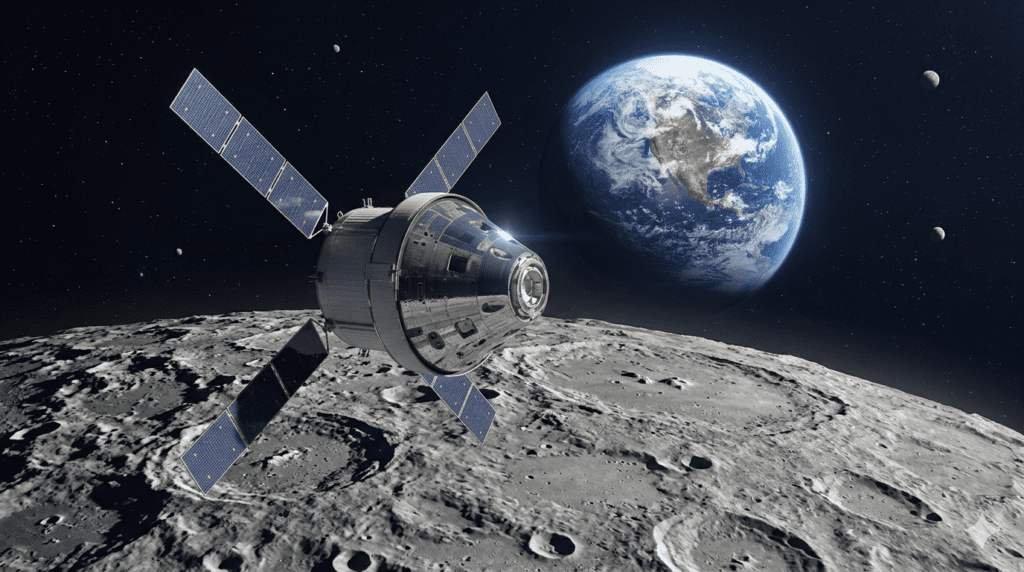
Artemis II marked a historic milestone in 2026.
Key Facts:
- Crewed lunar flyby
- ~10-day mission
- First deep-space human flight since Apollo
This mission proved that long-duration human spaceflight beyond Earth orbit is possible again.
🧭 Why Artemis II Matters
Artemis II functioned as a critical test mission.
It validated:
- Navigation systems
- Crew safety
- Deep-space communication
For a deeper look into emerging technologies shaping industries—including space—check out 👉 Stop Wasting Time: 7 AI Tools for Productivity That Can Replace 10+ Office Apps in 2026.
🚀 SpaceX Starship: The Key to Landing on the Moon
While NASA leads the Artemis missions, SpaceX plays a crucial supporting role.
🌌 What Is Starship?
Starship is designed to be:
- Fully reusable
- Cost-efficient
- Capable of carrying 100+ tons
Learn more about SpaceX’s long-term vision here: spacex
🧠 Why NASA Chose SpaceX
NASA partnered with SpaceX due to:
- Lower costs
- Faster innovation cycles
- Proven launch reliability
Interestingly, the rise of companies like SpaceX has also influenced investment markets—something explored in 👉 Stock Market News Today (2026): 7 Powerful Trends Smart Investors Are Using.
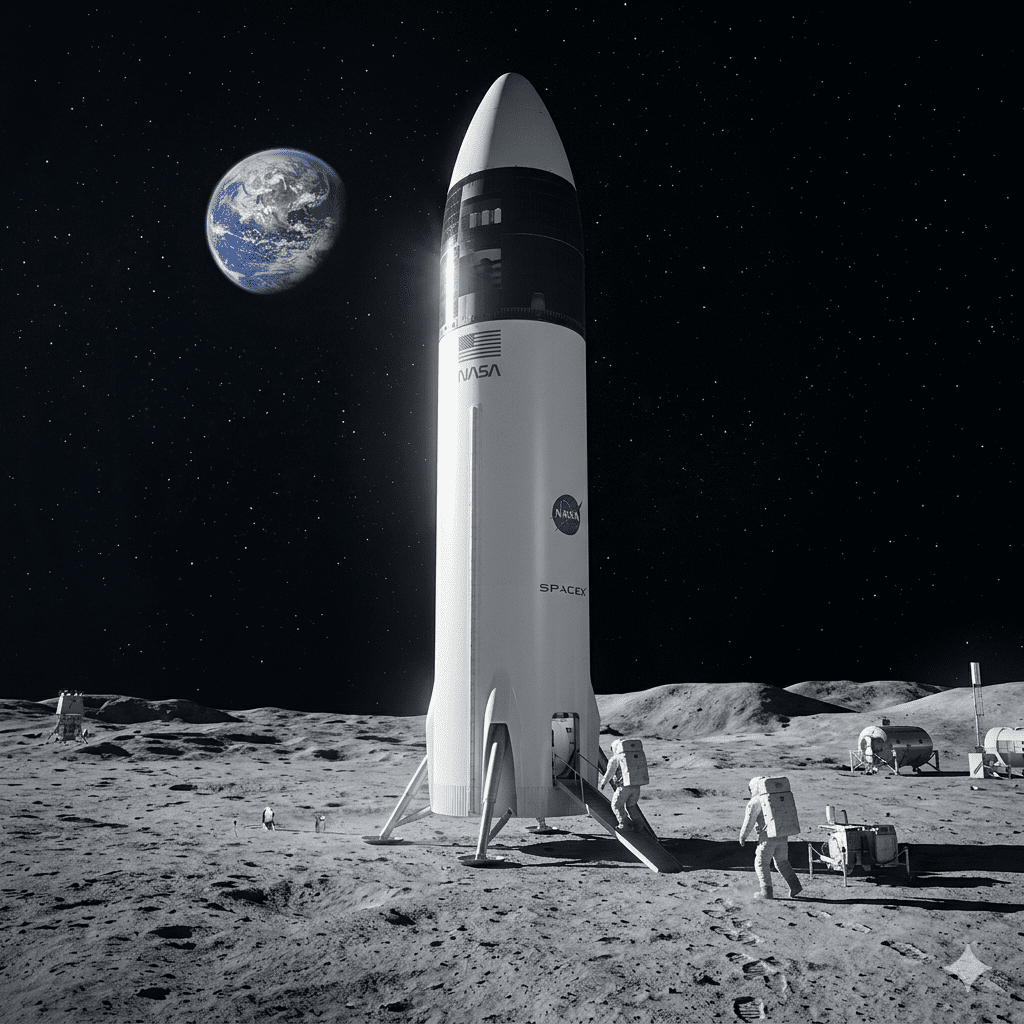
🌕 How Starship Will Land Humans
Mission flow:
- NASA launches astronauts into lunar orbit
- Starship docks with Orion
- Astronauts transfer to Starship
- Lunar landing occurs
🧭 When Will Humans Return to the Moon?
This is the most searched question around the SpaceX launch schedule and Artemis missions.
📅 Current Timeline
- 2026: Artemis II completed
- 2027: Artemis III planned landing
- 2028: Artemis IV backup
⚠️ Why Delays Are Possible
Challenges include:
- Starship testing timelines
- Spacesuit readiness
- Orbital refueling
Even with delays, progress is steady.
📊 Real Numbers: Cost, Scale, and Impact
💰 Launch Cost Comparison
| System | Cost |
|---|---|
| Falcon 9 | ~$67M |
| Starship | <$100M |
| SLS | $2–4B |
🌍 Space Economy Growth
According to global reports (weforum), the space economy could exceed $1 trillion by 2030.
This creates massive opportunities—not just for scientists but also entrepreneurs. If you’re looking for ways to tap into new income streams, consider 👉 17 Side Hustles With Little or No Money in 2026.
🧠 Anecdote: The Modern Space Race
Unlike the 1960s:
- Governments are no longer alone
- Private companies lead innovation
- Millions watch launches live online
Even stock traders are paying attention—especially companies like NVIDIA, which are tied to AI and simulation technologies. See 👉 NVIDIA Stock Forecast 2026: Is NVDA Still a Good Buy After the AI Boom.
🔮 The Future Beyond the Moon
After Artemis:
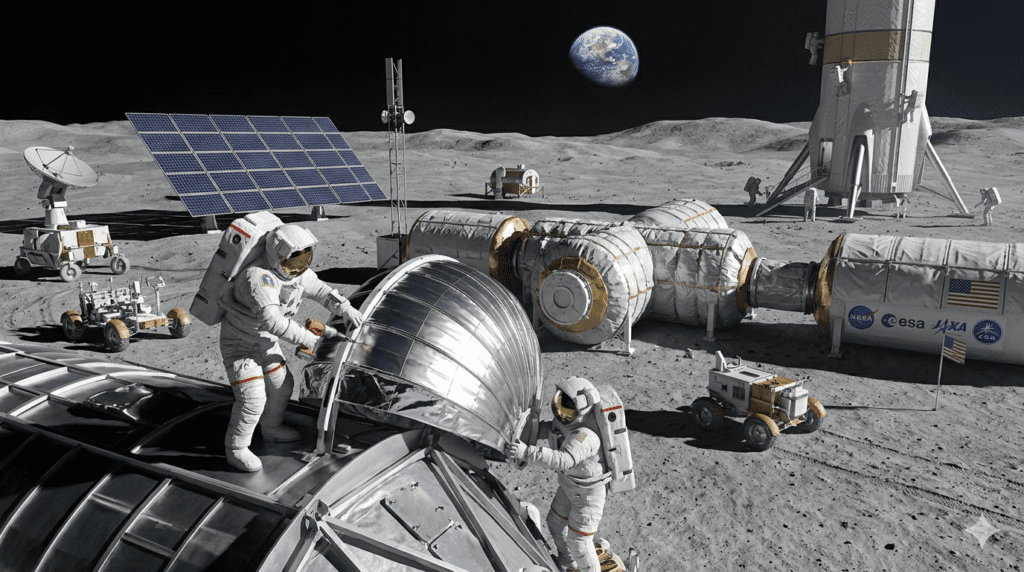
- Lunar bases will be built
- Mars missions will begin
- Space tourism will expand
📈 Why This Matters for You
The SpaceX launch schedule is more than science—it’s economic transformation.
Industries impacted:
- Technology
- AI
- Finance
- Energy
For ongoing updates in financial markets, check 👉 Stock Market News Today (2026).
❓ FAQ: SpaceX Launch Schedule & Artemis Missions
1. When is the next SpaceX launch?
Check real-time updates at spacex
2. When will humans land on the Moon again?
Expected between 2027–2028.
3. What was Artemis II?
A crewed Moon flyby mission completed in 2026.
4. Who is responsible for Moon landings?
NASA leads; SpaceX provides the lander.
5. Why is Starship important?
It reduces costs and enables sustainable missions.
6. How often does the SpaceX launch schedule update?
The SpaceX launch schedule is updated frequently—sometimes daily. Because SpaceX runs rapid operations, launch dates can shift due to weather, technical checks, or mission priorities. The best way to stay current is by checking official SpaceX updates.
7. What rocket does SpaceX use most in its launch schedule?
SpaceX primarily uses the Falcon 9 rocket for most missions. It is partially reusable and has completed hundreds of successful launches, making it one of the most reliable rockets in operation today.
8. Is Starship already operational for Moon missions?
Not yet. While Starship has completed several test flights, it is still undergoing development and testing. It must pass multiple safety and refueling demonstrations before it can be used for Artemis Moon landings.
9. Why is the SpaceX launch schedule so busy compared to NASA?
SpaceX operates like a private company focused on efficiency and frequency. NASA, on the other hand, focuses on fewer but more complex missions. This difference explains why the SpaceX launch schedule includes dozens of launches per year.
10. Will civilians be able to travel to the Moon?
In the near future, Moon travel will remain limited to trained astronauts. However, companies like SpaceX are actively working toward commercial space travel, which could eventually include private lunar missions.
11. What is the difference between Artemis II and Artemis III?
- Artemis II: Crewed mission orbiting the Moon (no landing)
- Artemis III: Planned mission to land astronauts on the lunar surface
12. How long will astronauts stay on the Moon during Artemis missions?
For Artemis III, astronauts are expected to stay on the Moon for about 6–7 days, conducting experiments and exploring the surface.
13. Where on the Moon will Artemis astronauts land?
NASA is targeting the Moon’s south pole, a region believed to contain water ice. This area is critical for future long-term missions and potential lunar bases.
14. What role does technology play in the SpaceX launch schedule?
Advanced technologies like AI, automation, and reusable rocket systems allow SpaceX to maintain a fast-paced SpaceX launch schedule while reducing costs and improving safety.
15. How can I watch SpaceX launches live?
SpaceX streams launches live on its official website and YouTube channel. Many launches are also covered by major news platforms and space-focused websites.
16. What happens if a SpaceX launch is delayed?
Launch delays are common and can happen due to:
- Weather conditions
- Technical issues
- Safety checks
When delays occur, the SpaceX launch schedule is quickly updated with new dates.
17. How does SpaceX compare to other space companies?
SpaceX leads in:
- Launch frequency
- Reusability technology
- Cost efficiency
Other companies like Blue Origin and traditional aerospace firms are still catching up in launch cadence.
18. Will Artemis missions lead to a permanent Moon base?
Yes, that is one of NASA’s long-term goals. Artemis missions aim to establish a sustainable human presence on the Moon, including habitats and research stations.
19. How does the SpaceX launch schedule impact global industries?
The SpaceX launch schedule supports:
- Satellite internet (Starlink)
- Climate monitoring
- Global communications
- Scientific research
This has ripple effects across technology, finance, and even everyday internet access.
20. What comes after the Moon missions?
After establishing a presence on the Moon, the next major goal is Mars exploration. SpaceX has already outlined plans to send humans to Mars within the next decade.
21. Why is the Moon important before going to Mars?
The Moon serves as a testing ground for:
- Life support systems
- Habitat construction
- Resource utilization
These are essential for long-duration missions to Mars.
22. Can students or beginners get involved in space careers?
Absolutely. Fields like engineering, computer science, physics, and even business play a role in space exploration. The growing SpaceX launch schedule is creating more career opportunities worldwide.
23. How reliable is the SpaceX launch schedule?
While highly active, the SpaceX launch schedule is still subject to change. However, SpaceX has one of the highest launch success rates in the industry.
24. What is Starlink and how is it connected?
Starlink is SpaceX’s satellite internet project. Many missions in the SpaceX launch schedule are dedicated to deploying Starlink satellites, which provide global internet coverage.
25. Will space travel become cheaper in the future?
Yes. Reusable rockets like Falcon 9 and Starship are already reducing costs significantly, making space more accessible than ever before.
26. How does weather affect launches?
Weather plays a major role. High winds, lightning, or cloud cover can delay launches, even if everything else is ready.
27. What makes the current era different from the Apollo era?
Today’s space race includes:
- Private companies
- Advanced AI technology
- Global collaboration
This makes the current SpaceX launch schedule more dynamic than ever before.
28. How many launches does SpaceX perform yearly?
SpaceX can perform 60–100+ launches per year, depending on demand and mission type.
29. Is the Artemis program international?
Yes. NASA collaborates with international partners like ESA, JAXA, and CSA to support Artemis missions.
30. What is the biggest challenge right now?
The biggest challenge is ensuring that all systems—especially Starship—are fully tested and safe for human missions.
31. How can I stay updated on the SpaceX launch schedule?
You can follow:
- Official SpaceX website
- NASA updates
- Space news platforms
32. Why is the SpaceX launch schedule important for the future?
Because it represents the foundation of a new space economy—one that could reshape technology, travel, and human civilization.
🧾 Final Thoughts
The SpaceX launch schedule is driving a new era of exploration.
We are no longer waiting.
👉 Humanity is going back to the Moon—and this time, we’re building the future there.